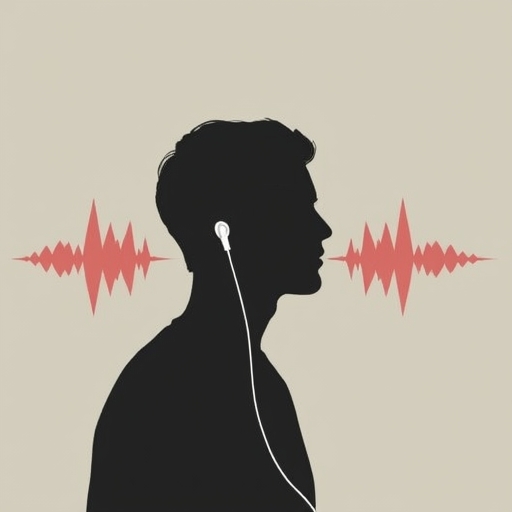
After temporarily losing hearing in my left ear, even for just a few weeks, I developed a profound awareness of how fragile our auditory system truly is. That short-term impairment, which stemmed from eustachian tube dysfunction—a condition in which the passage connecting the middle ear to the back of the nose fails to regulate pressure and fluid movement properly—served as an unexpected but eye-opening catalyst. It compelled me to think critically about the many ways our everyday habits might silently harm our ears. This experience sparked a deeper curiosity about the factors that jeopardize hearing health and how one might prevent long-term damage.
As I ventured into researching best practices for protecting the ears, I made a startling realization: one of the devices I used most frequently—my earbuds—might have been contributing to my auditory problems. To better understand the science behind this possibility, I spoke with audiologists, the medical specialists who identify and manage disorders of hearing, balance, and the ear itself. What they explained shed light on the hidden dangers of earbud overuse and improper listening behavior.
According to Dr. Ruth Reisman, a certified audiologist and licensed hearing aid dispenser in New York, earbuds present multiple potential risks. Because they are worn directly inside the ear canal, they create a confined environment that traps heat and moisture. Over time, this can lead to ideal conditions for bacterial growth and subsequent ear infections. Repeated insertion can also push cerumen—more commonly known as earwax—deeper into the canal, resulting in congestion or full blockage known as impaction. Furthermore, if earbuds do not fit the ear canal perfectly or if they are worn continuously throughout the day, users can experience soreness, friction, or irritation inside the ear. Reisman emphasized that the greatest threat, however, arises from exposure to high-volume sound that directly enters the ear canal, possibly leading to noise-induced hearing loss. Drawing on her fifteen years of professional experience, she confirmed witnessing countless patients struggling with these very consequences.
Dr. Dan Troast, an audiologist affiliated with HearUSA, added further insight into why listening at elevated volumes for long durations is so harmful. He noted that the inner ear contains microscopic hair cells responsible for translating sound vibrations into neural signals. Once these delicate structures sustain damage due to excessive noise exposure, they do not regenerate, meaning the resulting hearing loss tends to be permanent. Such damage can manifest as symptoms including noise-induced hearing loss, ringing or buzzing known as tinnitus, or even heightened sensitivity to sound over time. Troast warned that misuse of earbuds is remarkably common: when background noise interferes with listening and the earbuds lack noise-canceling features, people instinctively raise the volume, often entering dangerous decibel ranges far sooner than they realize. Even moderate listening levels, if maintained for hours on end, can gradually harm hearing.
Temporary signs of auditory overexposure, such as a sensation of muffled hearing or ringing after listening sessions, serve as critical warnings from the nervous system that the ears need rest. Troast cautioned that ignoring these cues—especially if they occur regularly—can eventually predispose listeners to chronic tinnitus or more severe hearing impairment.
While exploring ear health topics further, I encountered widespread public concern regarding the radiation produced by wireless Bluetooth earbuds. The question naturally arose: could the low-level electromagnetic energy emitted by these devices pose biological risks? Dr. Reisman clarified that based on current scientific evidence, Bluetooth earbuds emit only minute quantities of radiation—far less than what comes from cell phones—and remain safely below established international exposure thresholds. From her professional standpoint, she emphasized that the more significant hazard connected to earbuds lies in prolonged sound exposure rather than the energy they emit.
Given these risks, both Reisman and Troast advocate for a practical strategy known as the “60/60 rule.” This guideline advises users to limit their listening to no more than 60 percent of maximum volume for no longer than 60 minutes at a time, allowing the ears brief recovery intervals. Reisman recommends that individuals pause for fifteen to twenty minutes after every hour of listening to give the auditory system time to recuperate. Troast also encourages people to take advantage of built-in digital health features available on many devices, such as iPhones, iPads, and Apple Watches. These tools can automatically track cumulative sound exposure, notify users when they approach unsafe weekly levels—such as eighty decibels over forty total hours—and even lower excessive volume through settings like Reduce Loud Audio.
When discussing safer alternatives, Reisman explained that over-the-ear headphones generally offer a more protective option. Because they rest outside the ear canal, they disperse sound over a wider area rather than channeling it directly toward the eardrum. They also allow for better airflow, reducing the likelihood of inflammation, earwax buildup, or trapped heat. Troast added that noise-canceling versions are particularly beneficial because they diminish surrounding sound, preventing listeners from raising the volume unnecessarily. Nevertheless, users must remain cautious of their surroundings—especially outdoors or in traffic—where situational awareness is essential.
Another emerging alternative is open-ear or bone-conduction technology, which transmits audio through vibrations along the skull rather than through the air entering the ear canal. Technology analyst David Carnoy has noted that these designs can be advantageous for both hygiene and hearing preservation since they do not block, cover, or irritate the ear’s delicate surfaces. Because they sit outside the ear, problems like sweat accumulation, earwax impaction, or debris transfer are greatly reduced. However, experts stress that no listening device is entirely safe when volumes reach excessive levels; cumulative sound exposure remains the most important factor. Responsible listening means routinely moderating volume and incorporating listening breaks throughout the day.
For those who still prefer earbuds because of their portability and convenience, Troast recommends following several best practices. These include using smartphone volume limiters, selecting noise-canceling models to minimize background interference, avoiding use during sleep, and scheduling periodic hearing evaluations to establish a baseline of auditory health. Individuals who already experience tinnitus or show early symptoms of sensitivity must be particularly mindful, as further exposure can aggravate existing problems. Carnoy further pointed out that some people may develop skin sensitivities or allergies to materials used in earbud tips. Thus, consumers should verify material composition or switch to hypoallergenic replacements if irritation occurs. Reisman also underscored the importance of cleaning earbuds regularly, refraining from sharing them, and ensuring they fit comfortably and securely using appropriately sized ear tips.
Both audiologists agree that persistent ear discomfort, frequent infections, ringing, or muffled hearing warrant professional evaluation. Early detection can prevent progressive degeneration of the auditory system. Reisman highlighted that the earliest indicators of hearing strain—such as dependence on increasingly higher volumes or difficulty understanding speech in noisy settings—often precede measurable hearing loss. Troast added that when hearing impairment is confirmed, timely intervention through devices like hearing aids or tinnitus therapies, including sound enrichment and targeted counseling, can significantly improve quality of life. Ultimately, as Reisman succinctly put it, hearing damage accumulates slowly and irreversibly over time, yet it remains largely avoidable through mindful and informed listening habits. Whether you wear conventional headphones or modern earbuds, prioritizing safe volume levels and regular rest periods is the most effective act of care you can offer your ears.
Sourse: https://www.cnet.com/tech/mobile/warnings-signs-earbuds-hurting-ears-audiologists/


