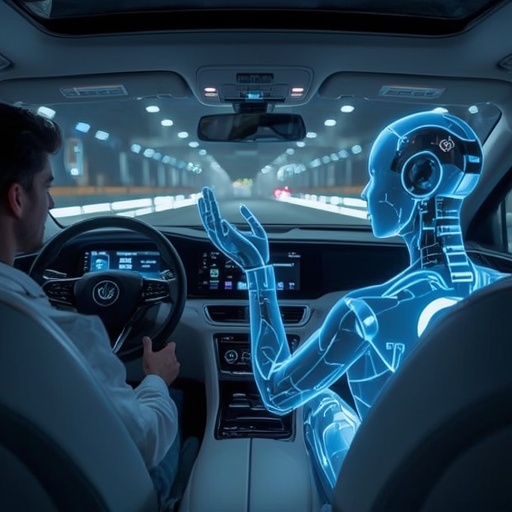
Waymo’s autonomous driving technology has recently found itself at the center of a lighthearted yet thought-provoking discussion. A number of riders using the company’s self-driving ride-hailing service have reported an unusual interaction with remote support agents — they are being asked to verify their age mid-ride. What might initially sound like a minor glitch has become a cultural talking point, reflecting both the humor and the complexity of human–AI interactions.
According to several passengers, these validation requests occur when remote human operators overseeing the autonomous system suspect that a rider may appear too young to legally be alone in the vehicle. The irony of being ‘carded’ by artificial intelligence has not been lost on the public. Many users have taken to social media to share their amusement, declaring that being asked for identification by an AI feels less like an inconvenience and more like an unexpected compliment about their youthful appearance.
On a more analytical level, the incident highlights some of the subtle challenges involved in human–machine relationships and the broader field of user experience design. For instance, while Waymo’s advanced systems are engineered to ensure passenger safety, they must also integrate seamlessly with human intuition, perception, and social norms. When an autonomous vehicle acts in a way that feels overly cautious or humanlike, riders may interpret the interaction emotionally — sometimes with delight, other times with confusion.
This dynamic underscores a critical dimension of modern AI development: the intersection of technology, empathy, and communication. It serves as a reminder that automation is no longer confined to executing mechanical processes but increasingly participates in socially situated behavior. Whether one views this age verification moment as a harmless software quirk or a broader sign of how machines attempt to emulate human reasoning, the event sparks valuable discussion about the future of AI etiquette, transparency, and trust.
In the end, Waymo’s so-called “accidental compliment” reveals both the promise and the growing pains of intelligent mobility. For many passengers, the story offers a touch of humor in the midst of technological innovation — a playful reminder that even in a future run by algorithms, there remains plenty of room for human interpretation and a shared laugh about how young we all wish AI would think we look.
Sourse: https://www.businessinsider.com/waymo-age-verification-cameras-minors-riders-flattered-2026-5