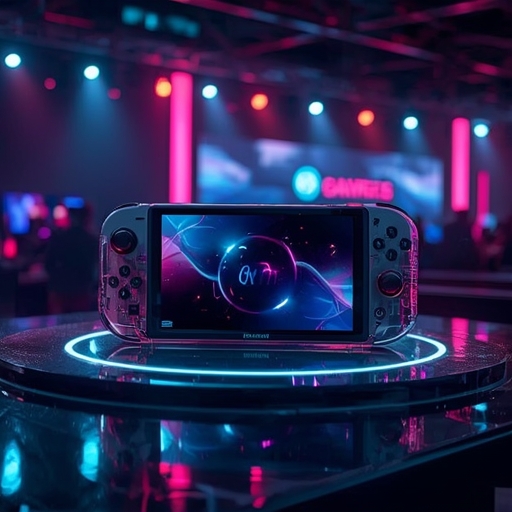
When Acer first revealed the Nitro Blaze 11 at CES 2025, the technology and gaming communities collectively turned their attention toward what was described as nothing short of a monumental innovation in handheld gaming design. This device, equipped with an expansive 11-inch display, immediately earned comparisons to a small tablet or even a portable monitor, yet it was engineered to deliver console-tier performance in a truly mobile form. The physical size alone—the so-called “surfboard” proportions—made it a spectacle on the convention floor, symbolizing both ambition and audacity in equal measure. For a brief period, Acer seemed poised to redefine expectations around what a handheld gaming device could be, standing at the crossroads between portability and power.
However, as the initial excitement began to subside, updates surrounding the Nitro Blaze 11 grew increasingly rare. The device, which was tentatively expected to reach the market by the second quarter of 2025, missed every presumptive milestone without official acknowledgment from Acer. Months rolled by with no public statements, technical briefings, or prototype showcases—only silence. Enthusiasts, journalists, and analysts alike were left speculating whether the Blaze 11 had been quietly canceled, redesigned behind closed doors, or merely delayed due to unforeseen engineering hurdles. Such silence from a major manufacturer, particularly after generating this level of hype, is both puzzling and telling.
One possible interpretation is that the Nitro Blaze 11 was primarily a concept demonstration—a bold experiment meant to test reactions to a large-format portable gaming system, rather than a guaranteed commercial product. Tech expos often serve dual purposes: presenting consumer-ready devices while also gauging the viability of experimental designs. Acer’s imposing prototype, while impressive from a technological standpoint, might have encountered practical or logistical challenges. Issues such as thermal regulation, battery efficiency, or even production costs could have rendered mass manufacturing impractical within the company’s timelines. Moreover, the handheld market itself has evolved rapidly, with new entrants and platforms constantly shifting the competitive landscape.
Still, it is the mystery of the Nitro Blaze 11’s disappearance that has kept interest alive. Its absence from subsequent product announcements highlights the tenuous balance between vision and execution in large-scale tech innovation. Creating hardware that blends performance with ergonomics has always been a complex negotiation, particularly in an era when consumers crave both mobility and high fidelity. Acer’s silence fuels curiosity and perhaps even admiration—the company dared to imagine a product that pushed the limits of what portable gaming could look like, even if it never reached physical shelves.
Ultimately, the story of the Nitro Blaze 11 is not merely about a missing product—it is a reflection of how innovation often walks the line between feasibility and aspiration. In showcasing something so unorthodox, Acer may have inadvertently underscored the inherent challenges facing hardware developers seeking to revolutionize user experiences. The unanswered question remains compelling: was the Nitro Blaze 11 an unrealized dream or a glimpse into a future that simply arrived too soon?
Sourse: https://www.theverge.com/news/852473/acer-nitro-blaze-11-gaming-handheld-what-happened