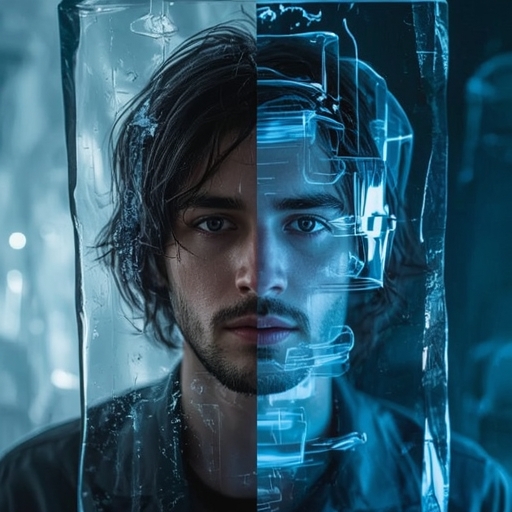
In contemporary visual culture, the notion of what constitutes a ‘real’ photograph has become increasingly uncertain. As artificial intelligence grows more capable of producing highly convincing, lifelike imagery, the distinction between a mechanically captured moment and a digitally generated vision continues to blur. Against this backdrop, the World Press Photo contest stands as both a bastion and a testing ground for authenticity in photojournalism—questioning not only how we perceive truth but also how we define it through the lens.
The competition, long regarded as the pinnacle of integrity in documentary photography, now finds itself at the intersection of technology, ethics, and creative expression. Its challenge is no longer limited to selecting the most impactful image, but extends to discerning whether an image genuinely reflects reality or is the product of algorithmic invention. The central aim remains the same: to uphold photography as a witness to human experience rather than a fabrication of imagination.
This year’s winning entry, entitled ‘Separated by ICE,’ offers a compelling reminder of that mission. The piece evokes deep empathy by portraying human separation, vulnerability, and resilience within a single frozen instant. What makes it resonate is not only its visual composition but the verifiable truth embedded in its pixels—a moment that existed, witnessed through a camera rather than conjured by code. It highlights the enduring difference between storytelling rooted in lived reality and narratives synthesized by artificial systems.
As AI-generated imagery floods social networks, news feeds, and commercial platforms, the ethical stakes in visual storytelling have never been higher. The contest’s commitment to factual integrity calls on photographers, editors, and audiences alike to engage critically with every image they encounter. Context, verification, and transparency have become as essential to the photographic process as composition, focus, or light.
In essence, the World Press Photo contest reminds us that authenticity is not a mere aesthetic attribute—it is the backbone of trust in photojournalism. While technology redefines the means of image creation, it cannot replace the human capacity for empathy, observation, and moral responsibility. The truly ‘real’ photograph, therefore, is one that not only shows us what happened but allows us to feel its truth, grounding the viewer in a shared understanding of reality at a time when illusions grow ever more persuasive.
Sourse: https://www.theverge.com/gadgets/918016/prestigious-photo-contest-answers-what-is-a-photo


