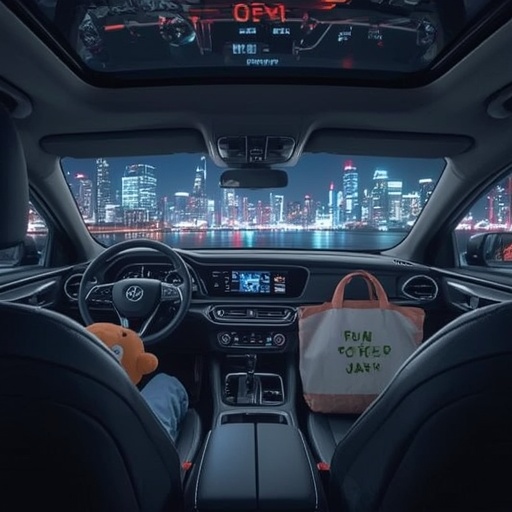
In an era increasingly defined by automation and artificial intelligence, it is fascinating to observe how certain aspects of human behavior remain wonderfully consistent—particularly our capacity to misplace things. Uber’s recent robotaxi Lost and Found report has offered an unexpectedly human glimpse into the high-tech present we are rapidly inhabiting. From plush Squishmallows and sets of dentures to whimsical tote bags declaring affection for ‘Hot Dads,’ the collected assortment is both amusing and oddly comforting. It demonstrates that, despite the precision and sophistication of self-driving technology, the people who interact with it continue to forget, lose, and leave behind the most delightfully random tokens of daily life.
What makes this report so interesting is not merely the items themselves, but what they symbolize about our relationship with emerging technology. Robotaxis represent one of the most ambitious achievements in autonomous mobility—vehicles capable of navigating complex cityscapes without a human driver present. Yet, even within these environments of sensors, cameras, and intricate software, human fallibility persists. The future may very well arrive on four automated wheels, but it still carries the unmistakable fingerprints of its passengers: their daydreams, distractions, and sentimental attachments.
When viewed from a sociological lens, these forgotten objects become inadvertent cultural artifacts. The Squishmallows speak to modern comfort and nostalgia, the dentures remind us of the diversity of riders across generations, and the humorous tote hints at our ever-evolving sense of irony and self-expression. In a way, the items compose a quiet, unintentional narrative about humanity—one in which technology coexists with the quirks, imperfections, and emotions that define us.
Uber’s Lost and Found list thus becomes more than a light-hearted press release; it captures the essence of a profound truth. Technological innovation can automate motion, optimize efficiency, and even predict human behavior, but it cannot fully erase the unpredictable individuality that makes people who they are. Whether it’s a sentimental toy forgotten in the back seat or a set of dentures left behind after a late-night trip, such moments remind us that progress does not mean perfection—just a more complex and sympathetic intersection between humans and their inventions.
As we continue to usher in self-driving cars and smarter mobility systems, perhaps these misplaced items will serve as subtle yet enduring reminders: no matter how intelligent our machines become, it is our very human habits—forgetful, funny, and sometimes sentimental—that keep technology grounded in the authenticity of everyday life.
Sourse: https://techcrunch.com/2026/06/02/squishmallows-dentures-and-an-i-heart-hot-dads-bag-uber-has-found-thousands-of-items-left-in-robotaxis/