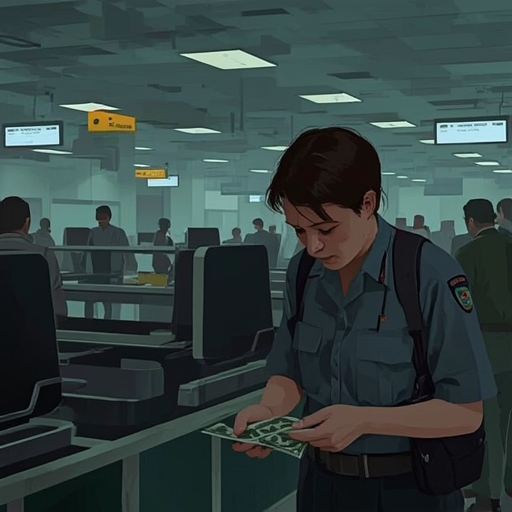
Consider the startling image of a Transportation Security Administration employee who, after diligently reporting for duty and ensuring the safety of countless travelers, receives a paycheck amounting to only four dollars. This figure, small enough to be mistaken for a rounding error, encapsulates the profound human suffering that arises when political impasses halt the flow of government funding. These workers, entrusted with protecting millions of passengers each day, now face the impossible task of keeping their households functioning without any meaningful income.
Many are forcing themselves to choose between paying rent, purchasing medicine, or buying groceries. In some cases, they are turning to food pantries and community donations just to survive—depending on the generosity of neighbors, churches, and local nonprofits. All this occurs while they continue to pass through metal detectors and monitor long lines of weary travelers, performing duties essential to national security, often with forced composure masking private anxiety.
The emotional and psychological toll is no less severe than the financial strain. Imagine the daily conflict of arriving at the airport in uniform, knowing that the literal fruits of your labor will not even cover a modest lunch. Families of TSA agents—and thousands of other federal employees caught in the same paralysis—wake each morning uncertain whether utilities will remain on, whether they can meet their child’s school expenses, or whether another week without pay might push them into debt or eviction.
This moment lays bare an uncomfortable truth about how essential public servants are valued: they are expected to act as pillars of stability while leaders debate over policy deadlock. The shutdown, therefore, is not merely an abstract political issue—it is a direct assault on the economic dignity and mental wellbeing of real people who serve at society’s frontlines.
This story urges us to rethink what responsibility means in public governance. It reminds us that the human cost of bureaucratic gridlock extends far beyond budget spreadsheets or partisan wins. Citizens, community organizations, and policymakers alike must confront the moral question at its core: how long can a nation rely on those who safeguard its infrastructure without ensuring they are themselves secure? To protect the people who protect us, stability and meaningful support must come before politics and pride.
Sourse: https://www.businessinsider.com/tsa-agent-government-shutdown-financial-struggle-2026-3