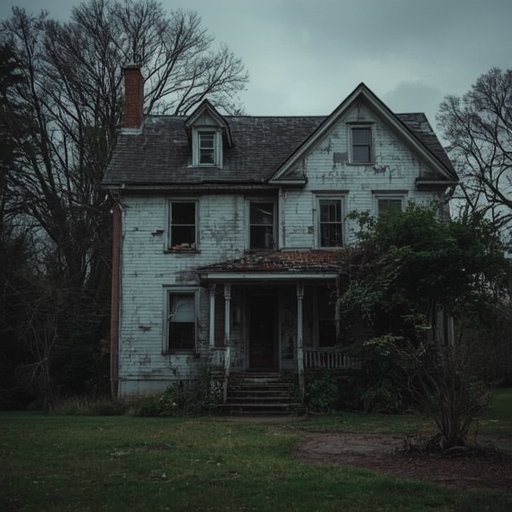
Eight years ago, my partner and I took what felt like an exhilarating leap into the next phase of our life together: we purchased our very first shared home. From the moment we began searching, we both knew we weren’t looking for an ordinary residence, but rather something imbued with charm, spirit, and the unmistakable presence of history. Having each previously lived in brand-new developments—those neat, predictable houses that smell of fresh plaster and new paint—we longed for a property that carried the echoes of earlier generations. We pictured ourselves wandering through rooms that had hosted decades of laughter, footsteps, and quiet evenings by the fire.
After months of searching, we discovered precisely what we’d envisioned: a grand four-story Edwardian house constructed in the early 1900s. With soaring ceilings that made every room feel airy and expansive, sunlight streaming through tall windows, and a charmingly uneven stone wall enclosing its garden, it felt like a living time capsule. The home stood just outside the village, where fields and trees still hugged the winding roads. It seemed to offer the best of both worlds—proximity to rural quiet while being near modern conveniences. We fell completely under its spell and, with a mixture of elation and nervous excitement, signed the papers that made it ours.
At first, our connection with the house felt profound and almost magical. Neighbors, delighted by our enthusiasm, shared colorful stories of past occupants—families, tradespeople, and perhaps dreamers much like ourselves—who had once called this place home. Listening to those anecdotes, we imagined the old village life, the smell of earth after rain when this area was still surrounded by farmland. We admired every detail: the exposed beams crisscrossing the attic rooms, the decorative sandstone exterior that seemed to glow on warm evenings, and even the stubbornly narrow staircases that twisted unpredictably from one floor to another. Those creaking steps and slightly crooked door frames felt not like inconveniences, but rather like signatures of authenticity—marks of the home’s long life.
We both adored living in a small village environment, where days moved more slowly and neighbors greeted one another across garden walls. That first year felt like living inside a dream realized. Before moving in, we had set out an ambitious list of improvements—replacing the single-pane windows with energy-efficient ones, fitting new doors more in keeping with the period style, and perhaps the most exciting of all, converting the old stable at the end of the garden into a functional office. Yet, as happens so often with older houses, plans soon gave way to realities none of our inspection reports had revealed.
After only a few months of idyllic living, the gentle romance of dwelling in a century-old structure began to collide with the harsher truths of constant maintenance. Unexpected issues emerged steadily, each one demanding more time, money, and attention than the last. Repairs we had budgeted for were quickly overshadowed by emergencies we could never have anticipated. A few years after moving in, we faced our first serious crisis: a small but potentially dangerous electrical fire ignited inside the fuse box of our basement kitchen. Thankfully, quick action contained the flames, but that relief was short-lived. When the electrician began the repair, he discovered that the wiring throughout the kitchen had been patched together haphazardly over decades, posing a serious safety hazard. What began as a minor repair turned into a massive rewiring job that strained both our finances and our patience.
Not long after, another misadventure struck. One morning, as I was showering, my partner rushed in shouting that water was cascading into the living room directly below. A pipe had burst, drenching an entire ceiling before we managed to shut off the supply. That incident forced a full bathroom renovation. Yet even these dramatic repairs were not the most despairing aspect of owning such an old house. Instead, what truly wore us down were the myriad smaller irritations—the endless collection of quirks and inconveniences that accumulated over time and slowly eroded the joy we once felt.
The house proved nearly impossible to heat properly. Those high ceilings we’d once admired now acted like chimneys pulling warmth upward and away. Drafts crept in relentlessly through microscopic gaps in the stonework, so that every winter evening felt like a battle against the chill. Dampness seeped quietly into corners and claimed sections of interior walls, sprouting delicate patterns of mold that returned within weeks of every vigorous cleaning. We spent countless weekends scouring surfaces, repainting sections, and purchasing dehumidifiers, yet the problem stubbornly persisted. Cupboards, drawers, and wardrobes acquired a faint musty scent that seemed to cling to our clothes if left untouched for too long.
The challenges extended beyond the house itself. Because our charming street had been built long before the age of automobiles, there was no dedicated space for parking. Increasing traffic meant we often had to leave the car several streets away, transforming simple errands into logistical puzzles. Nor could we ignore the unexpected invasion of tiny wildlife. Spiders, flies, beetles, and other persistent “guests” found entry through the same hairline cracks letting in the cold. We drew the line, however, the night my partner padded down to the kitchen in search of water and stepped barefoot on a live slug. From that moment, we could no longer dismiss these intrusions as minor annoyances. Slug trails appeared glistening on the living room carpet, and on several horrifying occasions we found unwelcome visitors on the bathroom tiles.
After eight years, our once-romantic infatuation with the house had transformed into something far more complex: a relationship defined by equal measures of affection and exasperation. We still admire its elegant bones and the sense of history embedded in its walls, but the constant upkeep has worn us thin. Reflecting now, I realize that we had idealized old-home living without fully comprehending what it entailed. Houses built more than a century ago follow a design logic of their time, often incompatible with modern expectations of comfort, efficiency, and convenience. We are, in a sense, living inside an era preserved—surrounded by timeless beauty but also trapped by outmoded technologies.
Even now, there is part of me that continues to cherish the individuality of this unconventional, non-cookie-cutter home—the way sunlight filters through its imperfect windows, the tactile feel of stone and timber shaped by hand. Yet when we pass sleek, contemporary homes boasting double glazing, immaculate insulation, underfloor heating, and spacious driveways, we can’t help but feel a pang of longing. If I could do it again, I would seek a middle ground: a home that retains character and uniqueness without demanding unending sacrifice of time, energy, and finances. In the end, we have learned—sometimes painfully—that beauty and history come with their own unpredictable costs.
Sourse: https://www.businessinsider.com/bought-century-old-house-not-worth-it-regret-years-later-2025-12