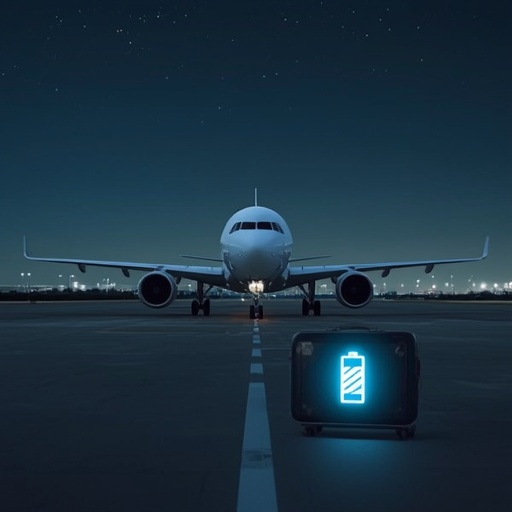
A single, seemingly harmless power bank recently brought an entire EasyJet flight to an unscheduled halt — a dramatic example of how one small device can disrupt operations and endanger safety at 30,000 feet. The incident, triggered by a passenger’s lithium battery actively charging in their checked baggage, required the flight crew to divert and address the potential hazard immediately. Although no injuries were reported, the event underscores how rapidly a moment of oversight can escalate into a significant aviation concern.
Lithium-ion batteries, which power everything from smartphones and laptops to portable chargers, have become indispensable travel companions in the modern world. Yet, despite their ubiquity, these compact energy units can pose serious risks under the wrong conditions. When enclosed in an environment like a pressurized cargo hold—where temperature regulation, air circulation, and immediate access are limited—malfunctioning batteries may overheat, short-circuit, or even ignite. For this reason, international aviation authorities strictly prohibit active or spare lithium batteries in checked luggage. Passengers are instead required to carry them in the cabin, where flight attendants and safety devices can respond swiftly to overheating or smoke.
In the EasyJet case, the passenger’s admission about leaving a charging power bank below the cabin floor led to the immediate decision to divert the aircraft. This decisive reaction reflects the airline industry’s uncompromising approach to onboard safety protocols. Every airline crew is trained to handle potential electrical or thermal threats, even when they originate from something as commonplace as a USB connector. The decision to prioritize safety, though inconvenient to travelers, exemplifies how aviation regulations are designed not merely to prevent accidents, but to preserve lives through layers of precautionary measures.
This incident also serves as a broader educational point for travelers everywhere: understanding and respecting the guidelines surrounding lithium batteries is essential to collective safety. Even experienced flyers sometimes forget the fine print—power banks must remain in carry-on bags, terminals should be covered to prevent accidental contact, and faulty or swollen batteries should never be transported. A moment of awareness before boarding can mean the difference between a seamless flight and an emergency diversion.
Ultimately, the EasyJet episode is less about blame and more about awareness. It demonstrates how everyday technologies—while convenient—carry inherent risks when handled without care. As global air traffic grows, adherence to safety standards will only become more critical. The rules concerning battery-powered devices may seem strict, yet they exist to safeguard every passenger aboard. One charger, one decision, one rule followed—it all contributes to keeping the skies secure and the journey ahead uninterrupted.
Sourse: https://www.businessinsider.com/passengers-power-bank-mishap-brings-aviation-safety-into-focus-2026-5