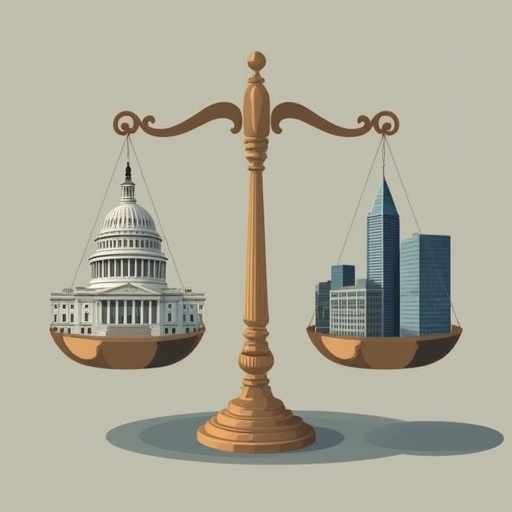
When the worlds of politics and commerce converge, the delicate equilibrium of ethics often teeters on the edge of collapse. In an increasingly interconnected socio-economic environment, the phenomenon of corporate endorsements from political leaders extends far beyond mere publicity or mutual admiration; it exposes a complex interplay between governance, commercial ambition, and public trust. Such endorsements, while superficially strategic, blur the boundaries that traditionally separate impartial governance from profit-driven enterprise. The question then arises: should governmental influence actively shape the strategic priorities of the private sector, or should a firm line remain between political power and corporate autonomy?
Political endorsements of corporations can create an appearance of legitimacy and favoritism that subtly alters public perception. For example, when national leaders publicly commend certain companies, the endorsement may enhance market standing or open doors to preferential treatment. Yet this alignment can lead to ethical ambiguities: decisions guided by proximity to power rather than merit undermine the ideals of fairness and competition. Ethical governance depends upon the consistent separation between regulatory authority and personal or political gain. Any erosion of that boundary invites the risk of corruption, diminished transparency, and public cynicism toward both institutions.
Moreover, as these partnerships become normalized, a deeper moral challenge emerges. Businesses that seek approval through political association risk redefining success not by innovation, quality, or social responsibility, but by political convenience. This dynamic can foster a culture of dependency in which corporations pursue favor rather than value creation. From a governance perspective, the state’s endorsement of private entities may also compromise its neutrality, making policy-making appear reactive to corporate expectations rather than serving collective welfare.
To navigate this ethically charged intersection, both political leaders and corporate executives must adopt a framework rooted in transparency, mutual accountability, and clear ethical standards. Leaders must ensure that their support of commercial ventures aligns with the public interest, while corporations must resist the allure of political validation when it threatens their integrity. In this evolving relationship between power and profit, the preservation of ethical principles is not merely idealistic—it is a necessary safeguard for sustainable trust in business and governance alike.
Sourse: https://www.businessinsider.com/trump-dell-corporate-endorsements-ethics-legal-2026-7