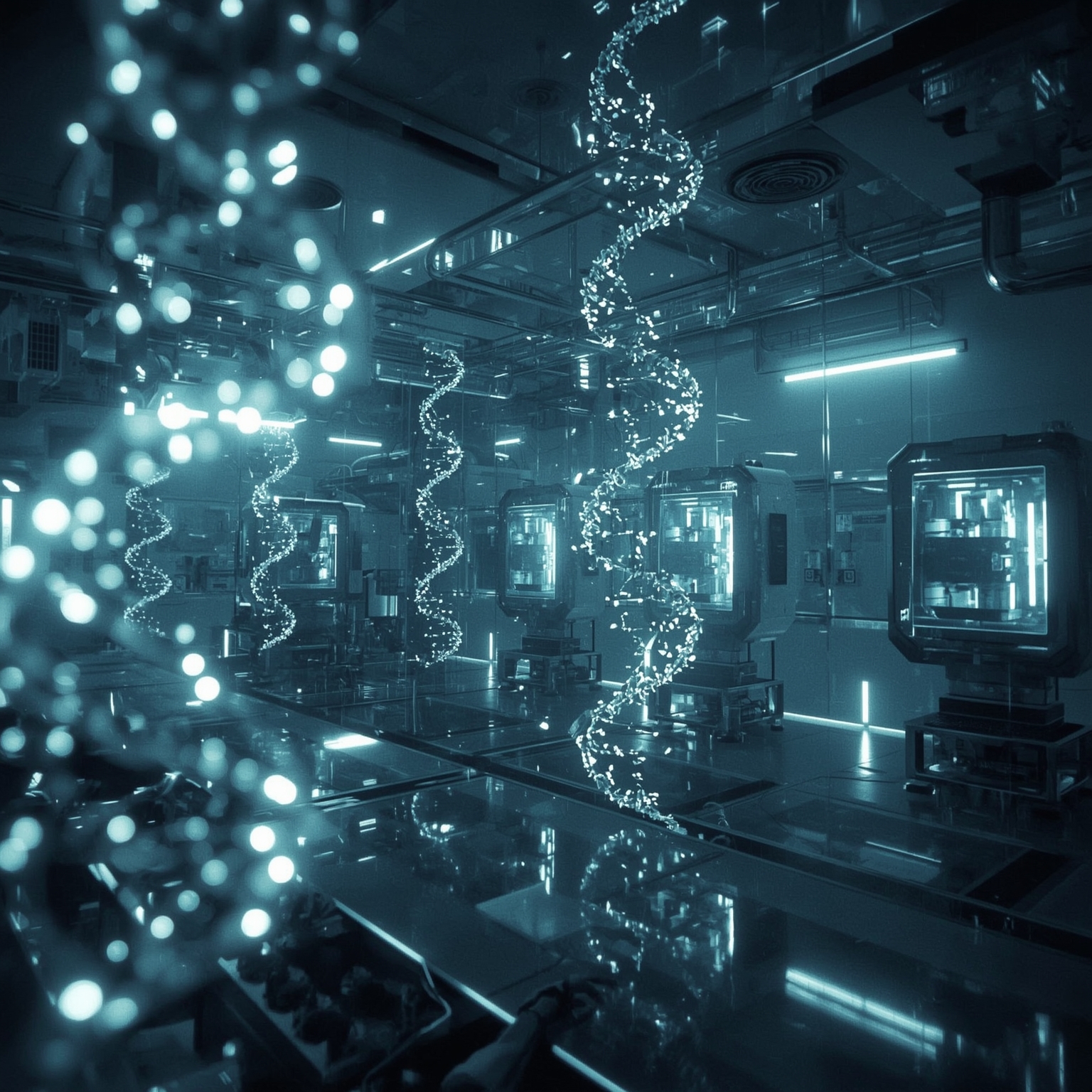
Across Silicon Valley and the broader technological world, a new wave of innovation is emerging—one that no longer confines itself to the digital or computational realm but extends boldly into the intimate architecture of human life itself. Visionary scientists and ambitious entrepreneurs are now directing their efforts toward the rapidly advancing field of reproductive genetics, where the promise of eradicating inherited diseases converges with the tantalizing possibility of enhancing human traits such as intelligence, resilience, and creativity. This realm of biotechnology represents a threshold moment for civilization: a point at which scientific ingenuity begins to blur the boundaries between medicine, improvement, and creation.
The motivations driving these initiatives are multifaceted. On one hand, the humanitarian impulse to prevent genetic disorders and reduce human suffering provides a noble imperative for continued research. On the other, the same technologies that allow us to correct genetic anomalies may also enable selective enhancement—ushering in an era in which humanity itself becomes open to strategic redesign. For many innovators, the power to influence the genetic blueprint promises to unlock a new evolutionary trajectory no longer governed solely by nature’s gradual pace, but accelerated through deliberate choice and engineered intelligence.
Yet this promise is shadowed by profound ethical and philosophical dilemmas. If the boundaries between healing and enhancement erode, where should society draw the line between beneficial intervention and moral overreach? These questions challenge not only scientists and policymakers, but every individual who must confront what it means to be human in an age when life can be crafted, optimized, and potentially commercialized. The potential benefits—disease-free generations, stronger immune systems, heightened cognition—are matched by equally serious concerns about inequality, access, and the definition of identity itself. Could the pursuit of a ‘better’ human race deepen social divides, privileging those with genetic advantages purchased rather than earned?
The conversation unfolding in laboratories and boardrooms is therefore not merely about science, but about the moral architecture of the future. The intersection of innovation and ethics demands careful scrutiny, thoughtful dialogue, and collective responsibility. As we stand at the threshold of designing the next generation, our challenge is not only technological feasibility but also moral clarity. The central question lingers: when innovation propels us toward the power to reshape life, will humanity choose to step forward with wisdom—or rush ahead, uncertain of the consequences? This delicate balance between progress and principle will define not just the trajectory of biotechnology, but the legacy of human evolution itself.
Sourse: https://www.wsj.com/tech/biotech/genetically-engineered-babies-tech-billionaires-6779efc8?mod=rss_Technology


