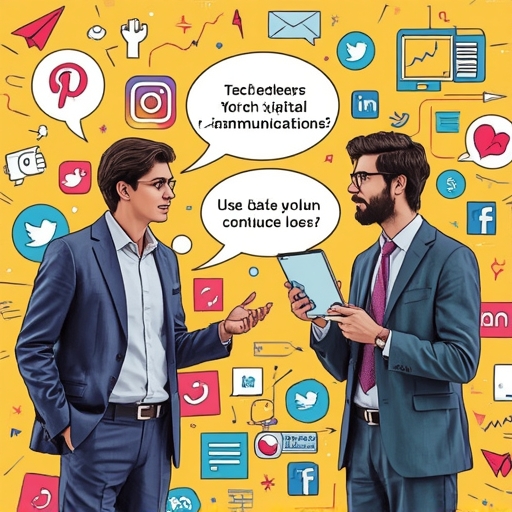
When an established technology executive—someone widely regarded as a visionary within their field—attempts to speak the evolving language of Generation Alpha, the results can often be both fascinating and unintentionally humorous. This dynamic encounter between experience and youthful innovation serves as an illuminating case study in the boundaries of communication across generations. It highlights how linguistic trends, particularly those that originate within digitally native communities, move at a speed that even the most forward-thinking professionals may struggle to match.
Beyond the immediate amusement such moments provoke, there lies a profound insight into modern communication and leadership: the necessity of authenticity. In the era of hyperconnected media, sincerity resonates far more deeply than mimicry. When leaders attempt to integrate the idioms, slang, or stylistic expressions of younger audiences without a genuine understanding of their cultural context, the effort often feels forced, even awkward. Conversely, when a message stems from authentic engagement and empathy, it transcends generational gaps and invites true connection.
Consider how language itself functions as both a bridge and a barrier. A phrase that feels instinctive to a digital-native teenager might perplex someone who built their career in an earlier technological landscape. Yet, the goal of communication in leadership has never been to replicate the ever-shifting lexicon of youth—it is to connect meaningfully with people where they are. Authenticity, therefore, becomes a strategic and emotional anchor: it assures others that one’s desire to communicate arises from respect and genuine curiosity rather than performance or image management.
This insight extends beyond vocabulary. It speaks to a timeless truth within organizational culture and human psychology—people respond most positively to leaders who demonstrate honesty, humility, and consistency of voice. Efforts to appear “on trend” by hastily adopting new slang or mimicking youthful digital behaviors may yield temporary attention but seldom foster genuine respect or sustained engagement. In contrast, a transparent acknowledgment of generational differences can open pathways to learning and collaboration. It can inspire younger colleagues to share perspectives while allowing senior professionals to showcase adaptability without compromising authenticity.
Ultimately, watching a prominent figure in tech attempt to navigate the verbal terrain of Generation Alpha functions as both entertainment and education. It underlines the idea that effective communication evolves not through the constant pursuit of novelty, but through the steadfast practice of empathy and sincerity. Trends come and go, but authenticity remains an enduring currency—an attribute that, when cultivated, transforms even the smallest exchange into an opportunity for connection, understanding, and growth. This balance between curiosity for new expression and allegiance to one’s true voice defines the essence of modern leadership communication in a rapidly shifting cultural landscape.
Sourse: https://www.businessinsider.com/sam-altman-internet-slang-millennial-moment-2026-4


