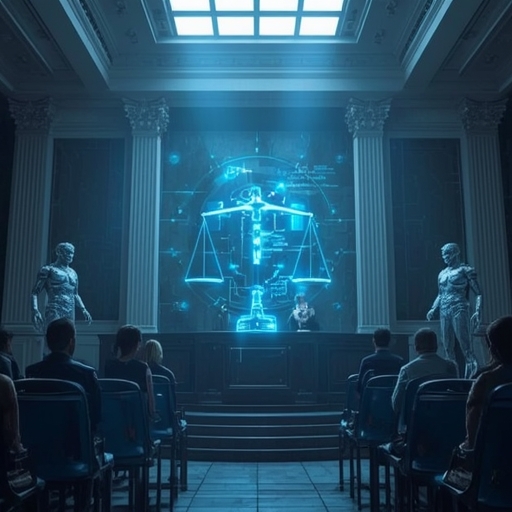
In a striking example of how technological ambition collides with human perception, a major courtroom confrontation has emerged at the crossroads of artificial intelligence, ethics, and corporate governance. This is not merely a dispute over legal interpretations or contractual obligations; rather, it represents a pivotal moment in which the future direction of AI may be influenced as much by sentiment and reputation as by science and innovation.
The case at hand centers on a well-known technology visionary who has initiated legal action challenging the trajectory of a prominent AI organization that he once helped to shape. What makes this confrontation remarkable is not solely its potential to redefine the boundaries of technological stewardship, but the extent to which personal credibility, moral conviction, and public imagination have become central to the proceedings. The courtroom, typically a sanctuary of evidence and precedent, is now serving as an arena where ideology and identity intermingle with jurisprudence, reflecting society’s broader struggle to comprehend the ethical implications of rapid machine advancement.
Early phases of jury selection have already illuminated intriguing patterns in public perception. Prospective jurors are not merely weighing facts and policies—they are wrestling with their own beliefs about technology’s role in human progress. Questions that surface during voir dire hint at the deep cultural unease surrounding automation, self-learning systems, and the proper guardianship of digital intelligence. Each juror, consciously or not, embodies a fragment of the collective conscience regarding how far humanity should entrust machines with its destiny. Their eventual verdict may echo far beyond the courtroom, influencing how regulatory bodies, investors, and innovators approach the delicate balance between inspiration and responsibility.
This unfolding drama underscores a truth that extends beyond the litigants involved: technological advancement cannot be evaluated in isolation from social context. The outcome will likely hinge not just on technical definitions or legal nuance but on the narratives each side constructs—stories that speak to trust, transparency, and the perception of moral authority. The proceedings reveal a profound irony: even as artificial intelligence aspires to achieve objective clarity, its governance remains tethered to human biases, cultural sentiment, and the unpredictable dynamics of collective judgment.
As the trial progresses, the broader question becomes inescapable: who gets to define the philosophical and ethical limits of innovation? Are they the engineers and founders who conceive the technology, the corporate institutions that fund and deploy it, or the public whose daily lives—and future opportunities—will be shaped by its outcomes? The courtroom, in this respect, becomes both a literal and symbolic stage upon which the next chapter of the human–machine relationship is debated.
In essence, this is more than a legal proceeding; it is a reflection of civilization’s growing pains in an age when algorithms increasingly determine reality. The lessons drawn from these hearings—about accountability, trust, and the fragility of public faith in innovation—could resonate for years to come, setting precedents not only in law but in the collective moral imagination of a society negotiating its coexistence with artificial intelligence.
Sourse: https://www.wired.com/story/some-musk-v-altman-jurors-dont-like-elon-musk/


