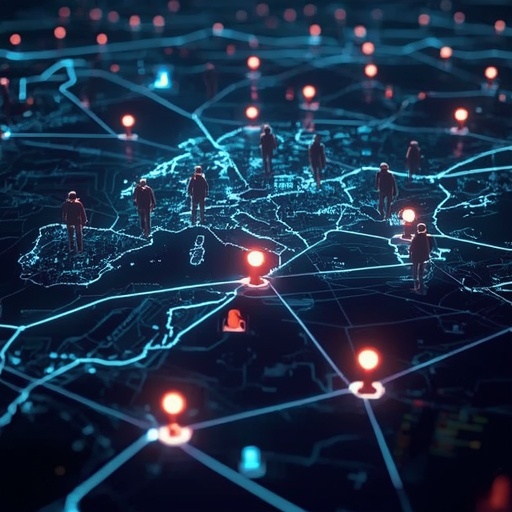
In the age of ubiquitous connectivity, the location data shared by our cell phones carries far greater implications than most people realize. Every single device, from a standard smartphone to a tablet or wearable, continuously transmits signals that can expose where its user travels, when they move, and even how long they linger in one spot. While this information may seem harmless or even useful when used for navigation apps, ride‑sharing services, or targeted advertisements, the stakes change drastically in a military environment. For deployed service members operating in foreign territories, these subtle digital breadcrumbs can become a matter of life and death.
Location data, when compiled and analyzed, paints an extraordinarily detailed picture of movement patterns and routines. Data brokers and commercial services often aggregate and sell this information, not always with strict oversight regarding who can purchase or analyze it. In the hands of adversarial nations or hostile groups, such insights can expose troop movements, base locations, or operational timing. What might begin as anonymous metadata can soon evolve into actionable intelligence. In past years, researchers and security specialists have demonstrated how seemingly generic location datasets can be reverse‑engineered to identify individuals at sensitive military sites. This demonstrates how thin the veil of anonymity truly is when digital footprints intersect with modern surveillance tools.
For the men and women serving abroad, this invisible threat transforms digital carelessness into a strategic vulnerability. A fitness tracker syncing a morning run, a navigation app logging frequent routes, or even social media publishing location‑tagged updates can compromise a mission before anyone realizes what has happened. Such incidents remind us that information privacy for military personnel is not merely a question of convenience or personal boundaries—it is integral to operational security. Cybersecurity specialists within the defense sector continually emphasize that every byte of personal data represents a potential vector for exploitation.
Moreover, these concerns underscore a broader ethical dilemma that extends beyond the military domain. If the same technology that enables personalized services can simultaneously endanger national interests, how should it be regulated? Companies collecting geolocation analytics must recognize that their practices possess global repercussions. The defense community’s experience serves as a stark warning to policymakers and technologists alike: Data that maps human activity is never neutral. When used responsibly, it enhances connectivity and efficiency; when mishandled, it can transform into an instrument of surveillance and control.
Ultimately, protecting location privacy is not simply about safeguarding personal information—it is about defending safety, sovereignty, and trust in a hyperconnected world. Every effort to strengthen data transparency, enforce ethical data management, and limit unnecessary tracking contributes to a safer digital environment for everyone, especially those who serve on the front lines.
Sourse: https://www.businessinsider.com/location-data-track-phone-users-putting-us-troops-at-risk-2026-5