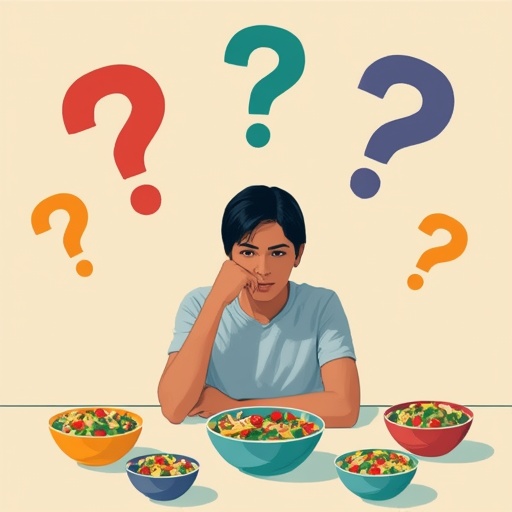
In recent weeks, the seemingly simple decision of choosing what to have for lunch has turned into an unexpectedly complex dilemma for many individuals who value both health and convenience. What was once a straightforward choice—selecting a fresh, vibrant salad as the cornerstone of a wholesome meal—now carries with it a growing sense of hesitation and even mild apprehension. This shift stems from increasing public concern regarding the safety of leafy greens and other salad ingredients, particularly in light of recurring foodborne illness outbreaks linked to contaminated produce.
The escalating focus on salad safety has led consumers to think more critically about where their food comes from and how it is handled before reaching their plate. This heightened attentiveness reflects not only fear of health risks but also a broader awareness of the entire food supply chain, encompassing farming practices, packaging processes, transportation, and storage conditions. For instance, individuals are beginning to question whether their lettuce was washed and packaged under sanitary conditions or if their favorite organic brand truly upholds its advertised standards of freshness and care.
For many habitual salad eaters, these concerns have inspired dietary introspection and experimentation. Some are temporarily substituting salads with other convenient yet seemingly safer alternatives—such as grain bowls, cooked vegetable medleys, or warm soups that undergo heat-based preparation, which reduces the risk of bacterial contamination. Others, however, find it difficult to relinquish their green favorites and instead double down on safety measures: vigorously washing produce at home, buying from trusted local farmers’ markets, or researching brands with transparent food safety certifications.
This moment also poses an important question for businesses operating within the food industry. As consumers become more cautious, transparency and communication have become paramount in maintaining credibility and trust. Restaurants, grocery retailers, and meal-prep services that proactively share details about their sourcing, sanitation practices, and quality assurance protocols are more likely to retain customer confidence during times of heightened scrutiny. By contrast, companies that remain silent or ambiguous about these issues may risk alienating an increasingly informed customer base.
From a broader societal perspective, the current salad safety debate underscores the interdependence of consumer awareness, public health policy, and corporate responsibility. While regulators strive to implement stronger inspection systems and preventive standards for agricultural producers, the conversation among consumers continues to evolve online and in households, where the phrase “food safety” has become part of everyday vocabulary.
Amid these evolving dynamics, one thing remains clear: the ritual of lunchtime—once dominated by quick, casual decisions—is slowly transforming into a deliberate act of informed choice. It’s not merely about what looks appetizing but about what feels trustworthy. Whether one continues enjoying salads with added caution or opts temporarily for cooked meals, the collective shift toward mindful eating represents a step toward a more conscious and resilient food culture.
Ultimately, the question remains open and deeply personal: as the dialogue on food safety intensifies, what does your safe and satisfying lunch look like today?
Sourse: https://www.businessinsider.com/cyclospora-salad-choosing-lunch-confusing-2026-7