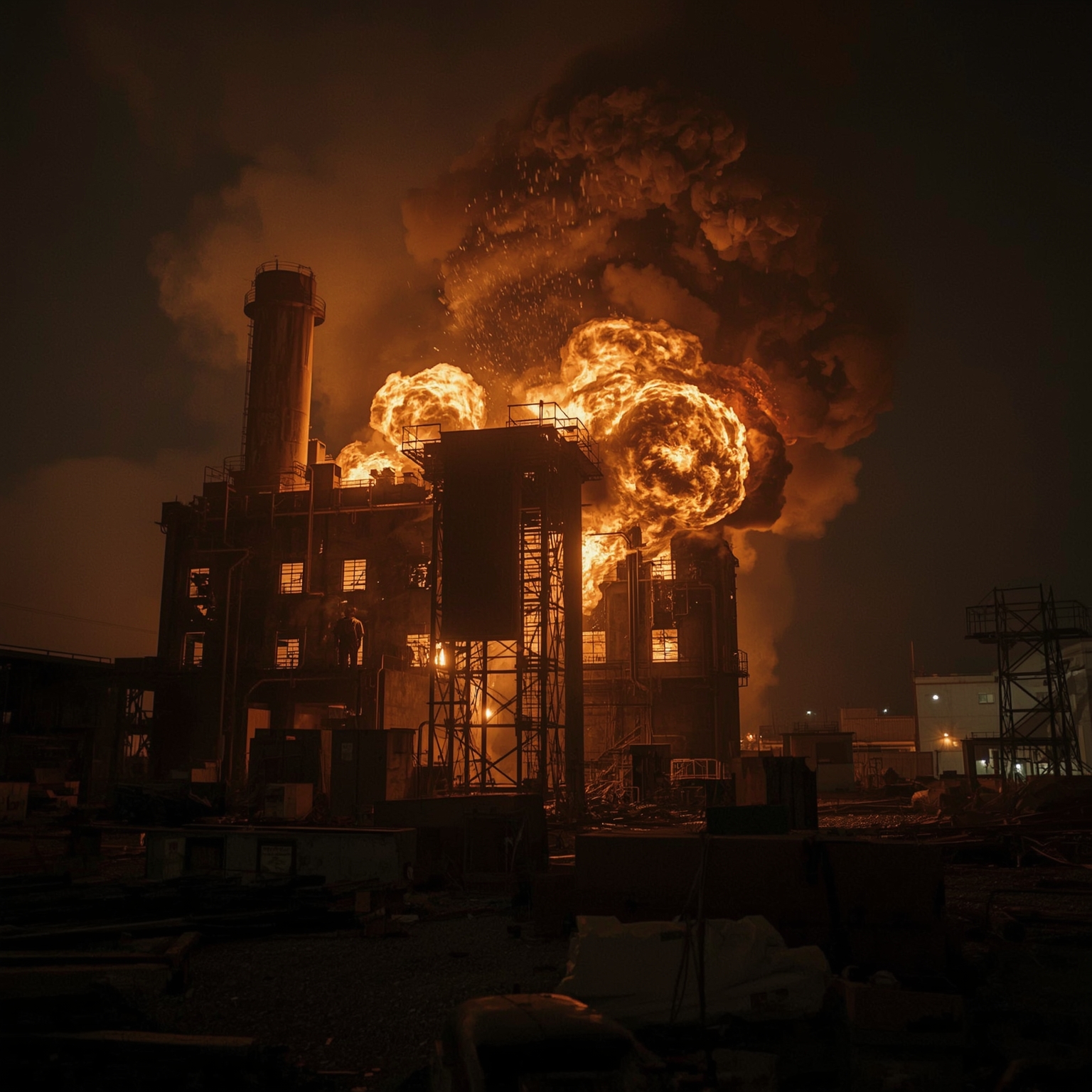
The catastrophic explosion at Building 602 in Tennessee, which resulted in the loss of sixteen lives, stands as a devastating symbol of what can occur when proper oversight collapses and self-regulation replaces meaningful accountability. This event did not emerge from a single oversight or an isolated error; rather, it was the tragic endpoint of years of neglected inspections, deferred safety investments, and misplaced reliance on internal monitoring systems that ultimately failed to protect the workers within those walls. The disaster underscores a grim reality: when regulatory vigilance is weakened and industries are permitted to act as their own enforcers, the guardrails that are meant to prevent tragedy instead crumble, exposing countless individuals to unacceptable levels of risk.
Building 602 should never have become a site of mourning. The numerous warnings, safety violations, and small incidents that preceded the explosion should have served as urgent calls to action. Instead, they were smothered by bureaucracy, overlooked by executives, or dismissed as cost concerns. This pattern of negligence reveals a fundamental flaw in self-regulation—when those responsible for maximizing productivity and profit are also tasked with ensuring safety, conflict of interest becomes inevitable. It is within this conflict that critical maintenance is delayed, procedures are softened, and warning signs are ignored until disaster strikes.
The enduring lesson from this tragedy is that accountability cannot exist in name alone; it must be consistently enforced, measured, and built into the very structure of industrial operations. Effective oversight demands independent review, rigorous safety audits, and transparent communication between companies, regulators, and the communities they impact. To treat oversight as optional is to play with human lives—a calculus that no society committed to ethical governance should ever accept.
The path forward requires more than assigning blame; it requires a fundamental cultural shift within industries and institutions. It calls for the establishment of proactive safety cultures grounded in transparency, continuous improvement, and empathy for the human beings whose labor sustains industrial progress. By prioritizing prevention rather than reaction, and by enforcing standards rather than merely recommending them, we can ensure that the story of Building 602 remains not only a tragedy but also a turning point—a solemn reminder that strong regulation and true accountability are not obstacles to growth but the very foundations of sustainable, humane progress.
Sourse: https://www.wsj.com/business/regulators-bypassed-building-602-then-it-blew-up-8ac7d564?mod=pls_whats_news_us_business_f


