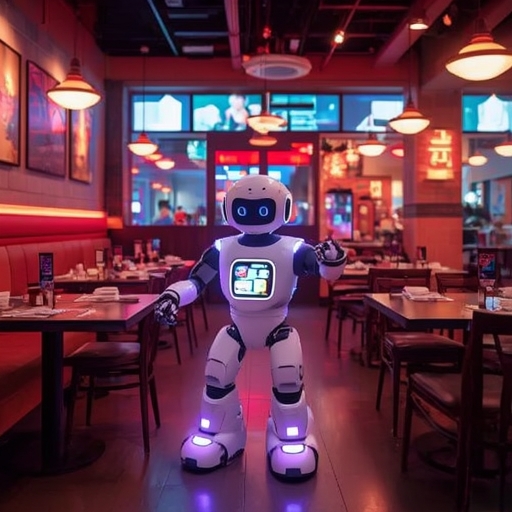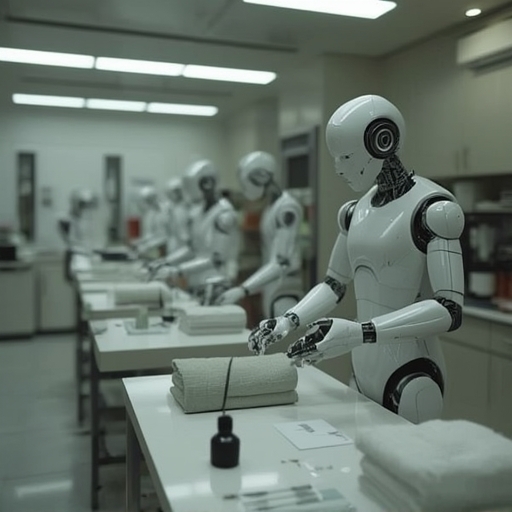
In a world where technology often dazzles with spectacle — robots performing acrobatics, artificial intelligence generating breathtaking art, or machines moving with lightning speed — the quiet precision of Humanoid’s latest innovation feels almost radical. The UK-based robotics company has chosen a path that defies the expected: instead of choreographing show-stopping performances, its engineers have devoted themselves to perfecting the subtleties of everyday human motion. Their creations move deliberately and methodically, mirroring the slow rhythm of real life rather than the haste of science-fiction dreams.
What may appear as simplicity is, in truth, the culmination of extraordinary complexity. Teaching a robot to fold a towel, pour a cup of water, or place objects neatly on a shelf demands not only advanced mechanical dexterity but also an intricate understanding of perception, balance, and decision-making. Each movement represents countless hours of programming, calibration, and refinement. The result is not cinematic excitement, but something arguably more transformative — a machine that integrates seamlessly into the mundane realities of human environments.
Humanoid’s approach redefines what innovation looks like in the age of automation. While popular narratives often equate progress with speed or showmanship, this company asserts that genuine advancement lies in dependable precision, stability, and the capacity for sustained interaction with the physical world. In factories, hospitals, and homes, the slow, steady competence of such robots could ultimately matter far more than viral performances on a stage or screen. Their value is not in impressing us for a fleeting moment but in assisting us meaningfully for a lifetime.
This vision of robotics emphasizes restraint, patience, and pragmatism — virtues too easily overlooked in an age obsessed with immediacy. By focusing on practical mastery over dazzling exhibition, Humanoid is articulating a quiet but profound revolution: one that measures intelligence not by spectacle, but by usefulness. It reminds us that true progress often unfolds incrementally, in the careful repetition of small gestures perfected over time. Sometimes, the smartest technology is not the fastest or flashiest — it is the one that works reliably, consistently, and thoughtfully at human speed.
Sourse: https://gizmodo.com/tk-slobots-2000717634