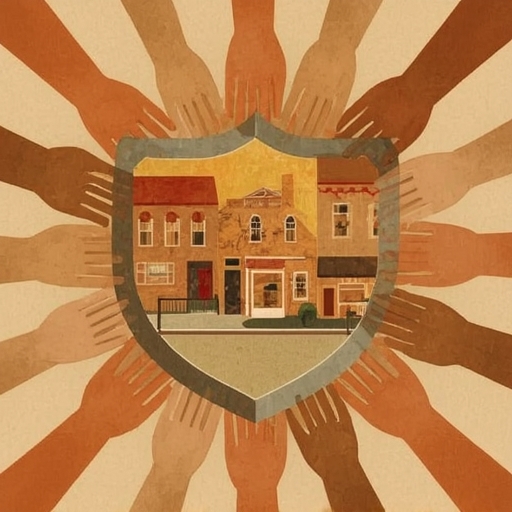
For more than half a decade, Rose Barboza poured her time, creativity, and determination into cultivating a digital space that highlighted and supported Black-owned businesses across the state of Maine. What began as a simple directory gradually evolved into a vibrant hub of community connection and economic empowerment—a place where entrepreneurs could be seen, celebrated, and sustained through shared visibility and collaboration. This initiative not only elevated marginalized voices but also became a symbol of pride and resilience for the region’s growing network of Black business owners.
Yet, after six purposeful years of dedicated work, an unexpected and deeply unsettling event forced a moment of reckoning that would forever alter the trajectory of Barboza’s project. When activity linked to Immigration and Customs Enforcement (ICE) surfaced in the area, the atmosphere of trust and safety underpinning her community’s hard-won progress was suddenly threatened. The presence of such enforcement actions created a palpable sense of fear—especially among individuals and families who might be directly affected by immigration-related scrutiny.
Faced with the awareness that her public directory, though designed to uplift, might inadvertently expose some business owners or their loved ones to greater risk, Barboza made an agonizing yet profoundly compassionate choice. She decided to take the platform offline—not because it had failed in its purpose, but precisely because it had succeeded so well in making people visible. In that moment, visibility became vulnerability.
Her decision encapsulates the intricate relationship between activism, safety, and collective responsibility. Building equity and fostering inclusion often demand difficult sacrifices, especially when systemic injustices threaten to endanger those a movement was created to protect. Barboza’s story reveals the moral complexity of leadership rooted in empathy: sometimes defending a community means stepping back rather than forging ahead, prioritizing protection over publicity, and acknowledging that empowerment must never come at the expense of security.
Ultimately, the legacy of her work continues to resonate—not through the existence of a single platform, but through the values it embodied. Barboza’s choice reminds us that community care extends beyond celebration; it is also the courage to confront uncomfortable realities and to act decisively in defense of others. Her experience stands as a compelling testament to the enduring truth that solidarity and safety are inseparable dimensions of justice, and that true leadership often emerges not in moments of triumph, but in the quiet, difficult decisions that safeguard our collective well-being.
Sourse: https://www.businessinsider.com/why-i-took-down-a-black-owned-business-directory-2026-2