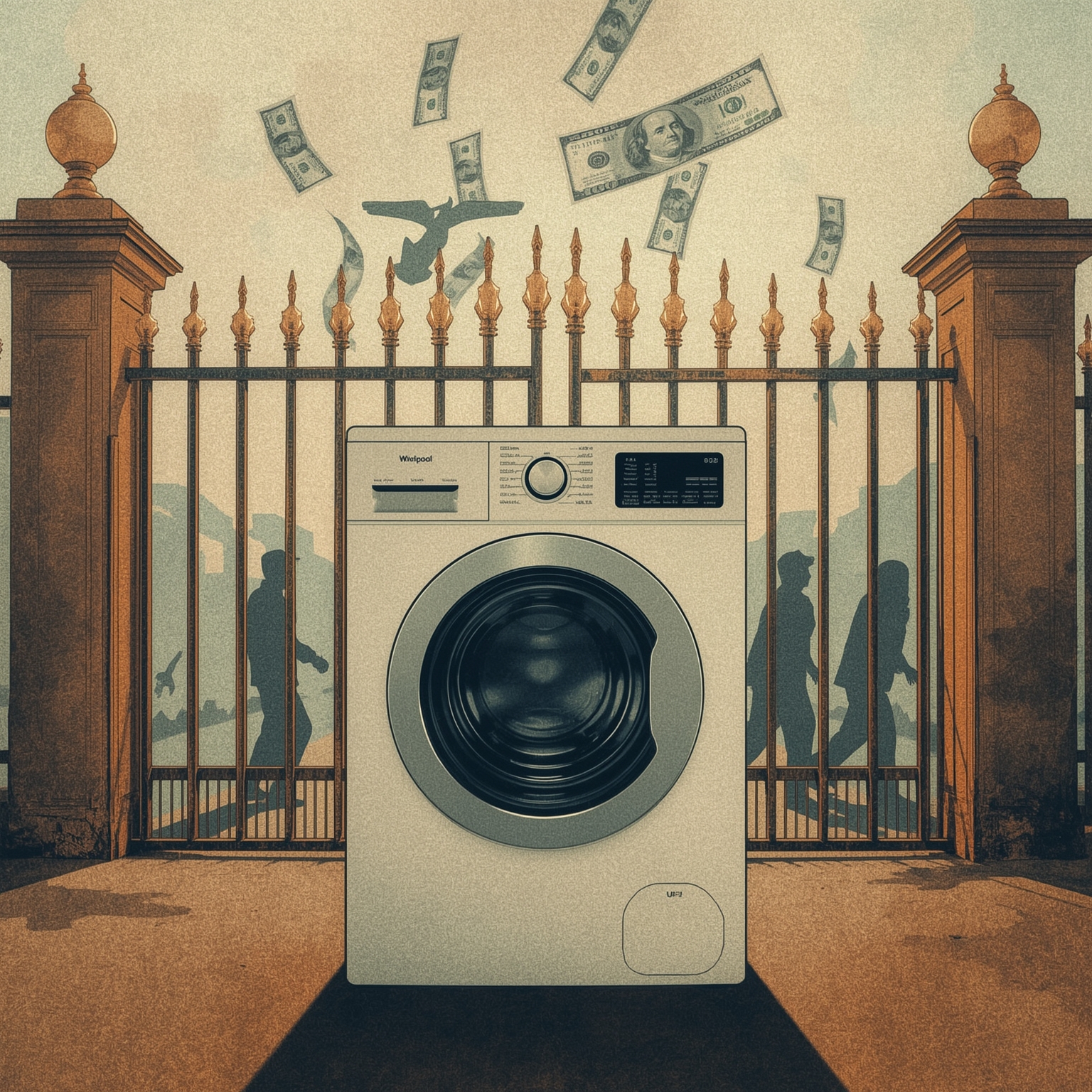
Whirlpool Corporation, one of the most prominent players in the global home appliance sector, has formally raised significant concerns to regulatory authorities in the United States. The company alleges that some of its competitors may be deliberately finding ways to sidestep or undermine existing tariff obligations. According to Whirlpool, this potential circumvention is not a matter of speculation alone; it coincides with concrete data released by federal agencies, which demonstrate that the declared customs values of imported household appliances have seen a pronounced and unusual decline beginning in June. Such a sharp reduction in reported valuations immediately raises questions about the legitimacy of compliance practices within the industry.
For Whirlpool, this is not simply a technical issue related to import paperwork but rather a broader problem that touches on fairness, lawful adherence to trade regulations, and the competitive balance that determines the dynamics of the marketplace. When certain companies effectively bypass measures designed to regulate international commerce, the playing field tilts in their favor, creating inequities that affect both domestic manufacturers and legitimately compliant foreign companies. This, in turn, forces regulators to consider whether existing oversight mechanisms remain adequate and whether more stringent enforcement actions or even new rules will be required in the near future.
The company’s warning underscores a larger narrative about the growing tensions surrounding global trade. The drop in reported values is not only a statistical anomaly; it could be a signal of broader patterns within international supply chains where businesses exploit loopholes to improve cost competitiveness. Such activities might temporarily lower prices for consumers, but they also risk undermining established trade frameworks and eroding trust in the integrity of the system. Furthermore, they can disproportionately pressure compliant manufacturers, limiting their ability to invest in innovation, workforce development, or quality assurance, ultimately reshaping the competitive landscape.
Looking ahead, Whirlpool’s arguments may influence discussions not only within the appliance industry but across other sectors where similar tariff structures exist. Policymakers, compliance officers, and business leaders are likely to weigh the company’s claims as they consider future steps in safeguarding market transparency, protecting fair trade practices, and ensuring that the rules apply equally to all participants. In this way, the situation is more than an isolated dispute — it represents a critical test of how modern economies reconcile global competition with regulatory enforcement in an increasingly interconnected world.
Sourse: https://www.wsj.com/business/whirlpool-tells-u-s-authorities-its-rivals-could-be-evading-tariffs-bad6818b?mod=pls_whats_news_us_business_f