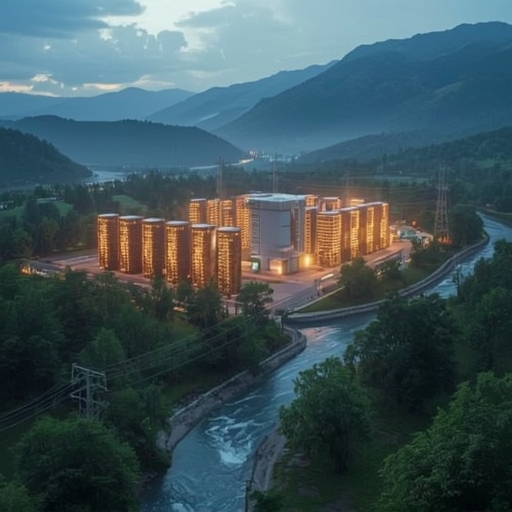
More than two hundred and thirty organizations—among them influential advocacy groups such as Food & Water Watch, Physicians for Social Responsibility, and Greenpeace—have united in a coordinated national campaign demanding an immediate suspension of all new data center construction projects in the United States. Their collective stance emphasizes that no additional facilities should proceed until a comprehensive and enforceable regulatory framework is established to prevent unchecked increases in electricity rates, excessive water extraction, and worsening levels of pollution. These groups argue that the current trajectory of expansion, driven by insatiable digital demand, risks placing severe strain on both environmental systems and public resources.
In a letter formally submitted to Congress on Monday, the coalition warned that the explosive and largely unregulated proliferation of data centers—particularly those powering artificial intelligence applications and cryptocurrency mining—has begun to profoundly disrupt communities across the country. The groups assert that this unrestrained boom jeopardizes economic stability, environmental health, and long-term climate and water security for American citizens. They describe the sector’s rapid ascent as emblematic of a technological arms race, one that has surged ahead faster than policy or infrastructure can adapt, leaving vulnerable regions to absorb the costs through heightened resource scarcity and local degradation.
Evidence of grassroots resistance to this expansion is mounting. Increasingly, local governments and community coalitions are succeeding in their efforts to halt or delay the establishment of new data centers. According to a recent analytical report, approximately twenty proposed facilities between March and June of this year were either permanently blocked or forced into suspension pending further review. These victories reflect broader public unease about the strain digital infrastructure places on essential services such as electricity and water, particularly in areas already struggling with constrained resources.
Energy policy has also entered the political spotlight. Surging electricity rates—fueled in part by the immense power requirements of AI computation—became a defining issue in the November elections. Many energy utilities have announced plans to offset the surge in consumption by investing heavily in new natural gas infrastructure. Yet such developments, experts caution, would further intensify the twin crises of climate change and air pollution by extending dependence on fossil fuels rather than accelerating the transition toward renewables. This illustrates a growing paradox: the innovation driving technological progress simultaneously reinforces patterns of environmental exploitation.
Equally concerning is the projected water footprint of the expanding AI data center industry. Analysts at Food & Water Watch estimate that by 2028, these colossal facilities could collectively consume a volume of water equivalent to what approximately 18.5 million American households use indoors in a year. This comparison underscores the magnitude of the threat to municipal water systems and the delicate ecosystems that sustain them. Without immediate and decisive policy reforms, the coalition warns, the U.S. risks undermining both its environmental integrity and the well-being of the communities expected to bear the consequences of an unchecked digital revolution.
Sourse: https://www.theverge.com/news/840883/data-center-moratorium-letter-congress