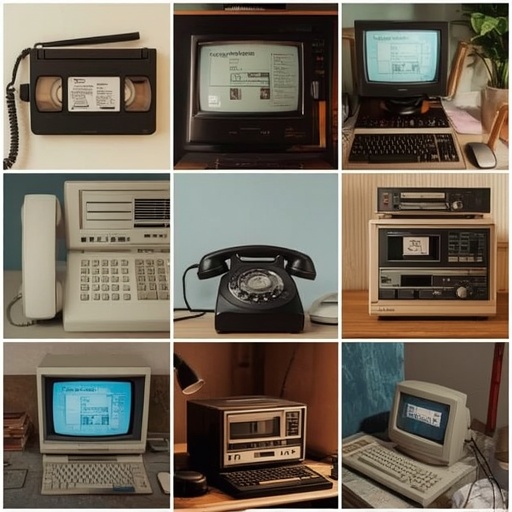
The resurgence of 1990s technology represents far more than a fleeting nostalgic whim—it embodies a collective yearning for simplicity, authenticity, and tangible experiences in an increasingly digital and intangible world. As society accelerates toward seamless cloud computing and ever-shrinking smart devices, the tactile satisfaction of an analog era has taken on new emotional weight.
Consider the very act of slipping a VHS tape into a player, hearing that mechanical click, and watching as static resolves into motion on a screen—a process that today’s instant streaming lacks in both ceremony and connection. Similarly, the familiar trill of a landline phone, once the soundtrack to countless household evenings, contrasts sharply with the impersonal convenience of digital notifications. These small rituals represented moments of pause, of human presence, of waiting—and younger generations raised in the era of touchscreens are increasingly fascinated by those deliberate experiences.
The revival of vintage devices—cassette players, CRT monitors, early gaming consoles, even Polaroid-style instant cameras—reflects more than aesthetic preference. It reveals a cultural balance being sought between technological innovation and sensory engagement. The heavy clunk of a keyboard key, the analog hum of a tape rewinding, or the flicker of a tube television awaken something visceral that sterile modern design rarely offers. Nostalgia is not merely retro sentiment; it serves as a bridge between memory and modern creativity.
This shift also underscores a deeper, perhaps subconscious response to digital fatigue. As cloud storage replaces physical shelves and conversations shift from phone calls to brief messages, the analog past invites us to slow down and perceive technology as an experience rather than a utility. Vintage tech transforms into both art object and emotional relic—symbolizing a period where effort and interaction were intertwined with the medium itself.
What makes the ‘90s revival particularly compelling is how new generations reinterpret it. Contemporary creators merge old-school aesthetics with modern functionality: Bluetooth-enabled cassette players, remastered vinyl records, and digital cameras encased in nostalgic designs. This hybridization transforms remembered artifacts into living, functional design statements that speak to both heritage and progress.
Ultimately, this renaissance of retro technology demonstrates that innovation doesn’t always mean abandoning the past—it can mean reinventing it with reverence and artistry. The enduring allure of the 1990s lies not only in its distinctive look or sound, but in its invitation to reconnect with sensory authenticity. Perhaps that is the greatest innovation of all in an age of constant acceleration: the rediscovery of presence, patience, and the analog beauty of imperfection.
Sourse: https://www.businessinsider.com/nostalgic-90s-tech-list-photos