In the cold stretch of February, I found myself in Florence, Italy, staring somewhat wistfully at an email blinking on my phone screen—the reminder from Delta Air Lines prompting me to check in for my return flight to New York City. The moment felt uncomfortably decisive, as though clicking that button would seal my departure from a country that I instinctively sensed I wasn’t quite ready to leave. A quiet intuition tugged at me, whispering that my time in Italy had not yet reached its natural conclusion. Yet uncertainty clouded my thoughts—what would I actually do if I remained? Where would I stay, and how would I fill the unplanned days ahead?
As I debated, my mother sent me a photo message from home: a snapshot of New York blanketed under a heavy quilt of snow. The white streets and frozen rooftops radiated an almost physical chill through the screen. Florence itself, though enchanting, had already tested my tolerance for winter gloom—its damp, gray air sometimes flirting with that subtle melancholy we call seasonal depression. Imagining myself back in Manhattan’s frostbitten streets made the prospect feel unbearable. And so, acting on impulse that felt simultaneously reckless and liberating, I canceled my flight without any definite plan in place, defying the neat itinerary that had governed my trip thus far.
I knew only that I needed two things: sunlight and a roof over my head. Guided by pure instinct, I scanned flight options and, almost without deliberate thought, booked a ticket to Sardinia—a Mediterranean island promising gentler weather, only slightly warmer than Florence yet infinitely more inviting in spirit. The decision was spontaneous, bordering on rash, but it would soon prove to be one of the most rewarding choices I had ever made. Sardinia’s capital, Cagliari, awaited me, a city that would unexpectedly rank among my favorite destinations on Earth.
When I arrived late at night, the first thing that greeted me was not a person but the island’s atmosphere itself—the delicate warmth of salt-tinged air brushing my skin, even in the heart of the off-season. Despite the hour nearing midnight, a deep curiosity propelled me to venture into the city’s embrace. Normally, as an experienced solo traveler, I am cautious about wandering unfamiliar streets after dark, but Cagliari seemed to demand an exception. Its pulse was vibrant and alive. In Piazza Yenne, the city’s bustling square, people laughed, danced, and lingered over food and wine beneath strings of golden lights, their joy spilling into the cobblestoned night. Finding an empty café table proved nearly impossible, each one crowded with locals who appeared in no hurry to head home. The entire scene radiated a warmth far more potent than the mild evening air—a warmth rooted in community, conversation, and unhurried pleasure.
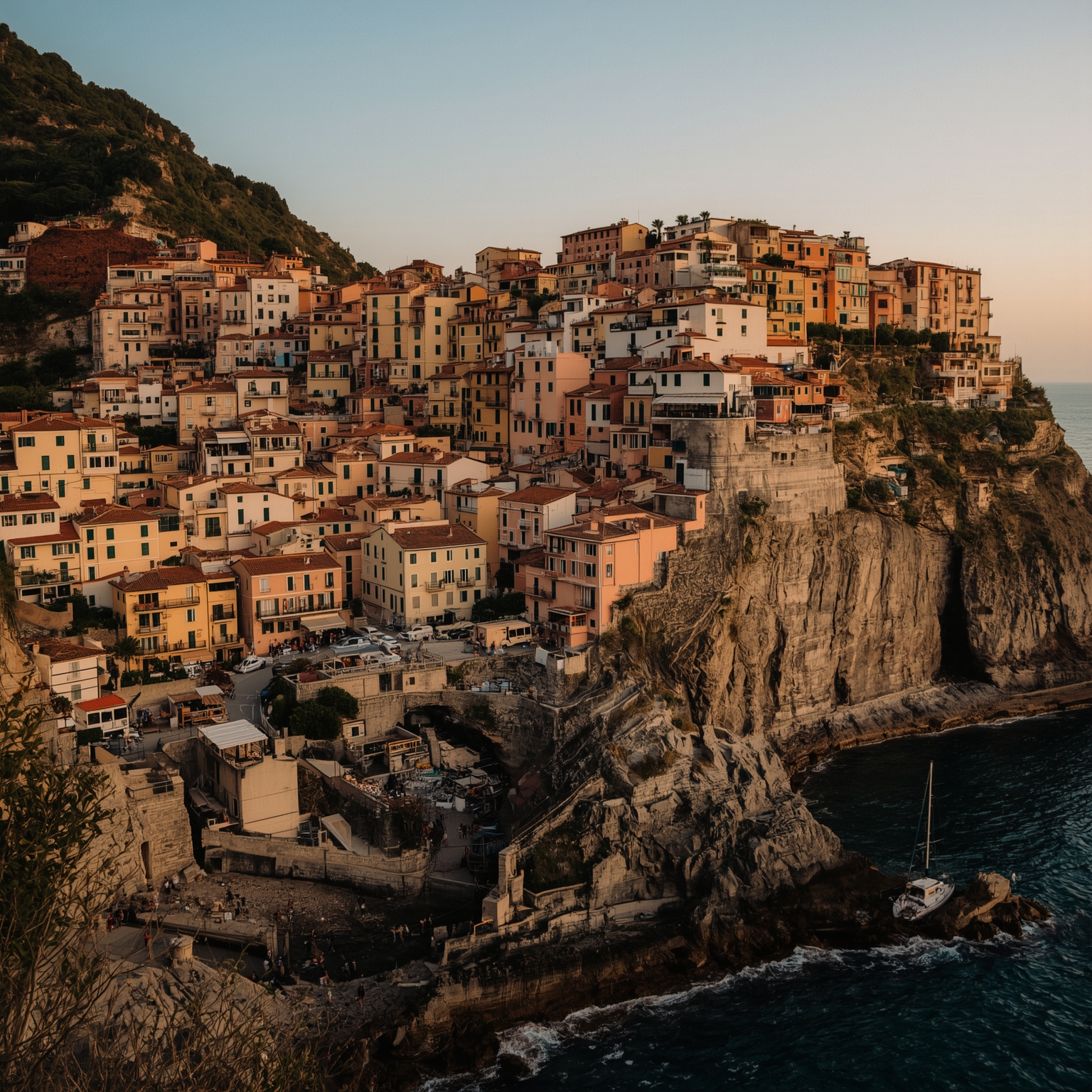
The following morning, with the sunlight painting the city’s pastel façades in soft amber tones, I began to uncover Sardinia’s culinary magic—a world distinct even within Italy’s gastronomic diversity. My first stop was I Fenu Gelateria, a renowned establishment celebrated for its devotion to local ingredients and inventive flavors. Intrigued, I ordered pardula gelato, a frozen homage to the island’s traditional dessert. It tasted delicately of ricotta and citrus, echoing the sweetness and spice of the real pardula pastry, which I sampled later that same day—a small, star-shaped wonder filled with creamy ricotta, fragrant orange zest, and a whisper of saffron. That initial bite encapsulated Sardinia’s soul: refined yet rustic, simple but deeply expressive.
Over the course of the week, I indulged in countless other Sardinian specialties that expanded my understanding of Italian cuisine. There was malloreddus, the region’s beloved chewy pasta, its grooves embracing rich tomato sauce; culurgiones, tender parcels stuffed with potato and mint that felt both hearty and ethereal; and fregola, a couscous-like pasta whose delicate pearls soaked up savory seafood broths. Alongside these, I savored generous portions of pecorino Romano—a sharp, tangy cheese made from local sheep’s milk and as ubiquitous in Sardinia as sunlight itself. Each dish reflected centuries of tradition and deep respect for raw, local ingredients.
Yet Cagliari’s allure extended far beyond its cuisine. The city’s layers of history peel back like pages in an ancient manuscript. For those fascinated by archaeology or classical history, Cagliari offers a treasure trove: imposing Roman ruins, the remnants of an amphitheater carved centuries ago, and an intricate network of subterranean caves—mysterious chambers best explored through guided tours that reveal the city’s stratified past. These silent witnesses of history enrich every corner, reminding visitors that Sardinia’s beauty is not merely natural but profoundly cultural.
Of course, Sardinia’s coastline adds yet another dimension to its charm. To fully experience its glory, no visit is complete without a day by the sea. I took a brief excursion to Villasimius, a picturesque town only an hour’s drive from Cagliari, where the rhythm of waves creates its own quiet poetry. There, at Porto Giunco Beach—famed for its pale sand and crystalline water—I found a solitude that felt almost sacred. Because it was February and the tourist season lay dormant, I had the entire stretch of shoreline to myself. The sky melted into the sea in silver tones, and for once, time seemed irrelevant.
As my days on the island unfolded, I began to understand the deeper reasons why Sardinia is celebrated as one of the world’s designated Blue Zones—regions known for the remarkable longevity of their inhabitants. The leisurely pace of life, the strong sense of community, and the alignment between daily rhythms and nature’s cycles all seemed to weave a silent secret into the air. Even within Cagliari’s metropolitan districts, there was an unhurried calm—a patience rare in modern cities. Locals moved through life with a grounded ease; interactions felt genuine, unforced. Whenever I mentioned that it was my first visit, people reacted with disarming generosity—offering recommendations, directions, or simply conversation.
Even before arriving, this spirit had made itself known. On the plane, my seatmate—a proud Sardinian native—spent the entire flight animatedly describing his homeland, listing places I should not miss, recounting local traditions, and extolling the island’s beauty with unmistakable pride. His enthusiasm foreshadowed the warmth I would encounter again and again throughout my stay.
By the time I left Cagliari, I realized I had fallen irrevocably in love—not just with its architectural elegance or culinary excellence, but with its balance of vitality and serenity. The city seemed to embody a perfect harmony between history and modern life, between the human and the natural. From the ancient stones of its ruins to the briny air drifting in from the Mediterranean, Cagliari had captured my heart completely. If given the choice, I would forsake all future returns to Rome and Milan for even one more sun-drenched day amid Sardinia’s hills and harbors, basking again in that ineffable sense of peace that only Cagliari seems to provide.
Sourse: https://www.businessinsider.com/best-city-to-visit-italy-cagliari-sardinia-suggestions-frequent-traveler-2025-10