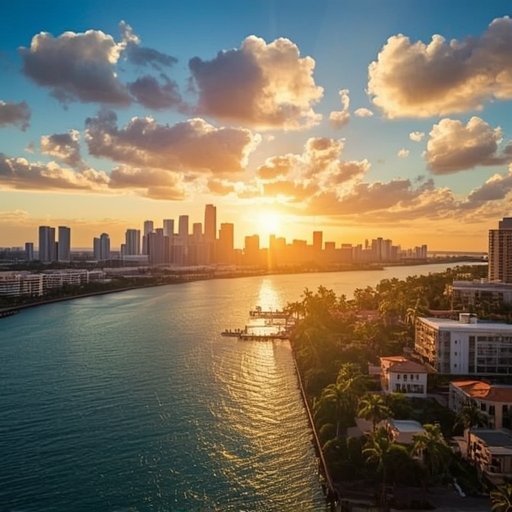
Across California, a growing wave of concern is sweeping through its most affluent citizens. Billionaires and high-net-worth individuals—people whose names often appear in headlines and whose fortunes shape industries—are now turning their gaze eastward toward the shimmering horizons of Miami. Their sudden fascination with Florida’s coast is not born merely of its golden beaches or the charm of its tropical climate, but of a far more pragmatic motivation: the potential enactment of an ambitious new wealth tax in California. This proposed fiscal policy, aimed at reshaping the distribution of wealth through a levy on the state’s richest residents, has ignited intense debate among economists, business leaders, and policymakers alike.
The conversation surrounding this tax proposal reaches beyond ordinary financial discourse—it delves into the philosophy of prosperity itself. California, long celebrated as the cradle of innovation, entrepreneurship, and cultural dynamism, finds itself confronting the unintended consequences of its own success. For decades, visionaries have flocked to Silicon Valley and Los Angeles to build empires in technology, entertainment, and finance. Yet now, many of those same individuals are weighing whether the state’s evolving fiscal landscape may render their presence unsustainable. The allure of Miami, Florida—where there is no state income tax and an increasingly cosmopolitan environment—presents an enticing contrast for those seeking to preserve both their wealth and their lifestyle.
The implications of this potential migration stretch across multiple dimensions. Economically, California risks losing not only significant taxable capital but also influential patrons of philanthropy, innovation, and real estate. Socially and politically, the movement highlights an ongoing national dialogue about fairness, responsibility, and the balance between personal enterprise and communal obligation. Meanwhile, in Miami, this dynamic influx of wealth has already begun to transform the urban and cultural landscape. Luxurious waterfront properties are changing hands at record prices; financial firms are opening satellite offices in the city’s booming downtown; and the aura of Florida’s sunshine has merged seamlessly with the sophistication of global capital.
Ultimately, this debate transcends geography. It speaks to how wealth, mobility, and governance interact in an increasingly interconnected economy. Whether one views California’s proposal as visionary or punitive, the exodus—or even the contemplation of it—reveals a profound truth: in an era when borders are porous and wealth is digitally mobile, fiscal policy cannot exist in isolation from lifestyle, perception, and opportunity. As billionaires weigh their choices between the golden coast and the Atlantic breeze, both states become symbols of competing visions for the American dream—one rooted in redistributive reform, the other in entrepreneurial freedom. The question remains: will California’s push for equity ultimately cost it its icons of success, or will it redefine prosperity for a new age?
Sourse: https://www.businessinsider.com/california-miami-south-florida-billionaires-wealth-tax-2026-3