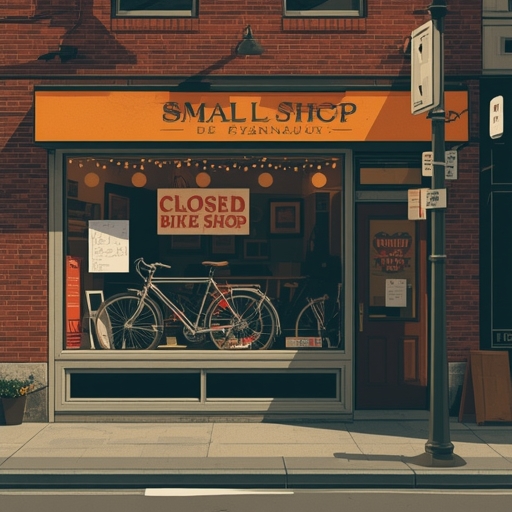
Owning and managing a small business often requires navigating a landscape filled with demanding and deeply personal decisions. Every choice carries weight, often forcing business owners to weigh financial practicality against moral conviction and community responsibility. When our humble Minneapolis bike shop chose to shut its doors in solidarity during the recent strike, the decision did not come lightly. It challenged us to reflect on our values, our role within the neighborhood, and what it truly means to be a part of a community that stands together in moments of uncertainty and hardship.
The day we decided to close, the shop stood silent—its bicycles lined neatly in the window like quiet symbols of perseverance and unity. From the outside, it may have appeared to be a costly gesture—a business halting its operations at a time already strained by economic instability. The realities of rising tariffs, fluctuating supply costs, and the climate of fear created by immigration enforcement had already tested our resolve. Yet, after hours of thoughtful conversation and heartfelt debate with our small but dedicated team, we came to a collective understanding: certain moments call for action that transcends profit margins or daily sales targets. This was one of those moments.
Closing our doors for the strike was much more than an act of pause—it was a declaration of principle. We stood shoulder to shoulder with workers, families, and neighbors advocating not only for fair treatment but for the affirmation that local communities thrive only when every voice—particularly those too often ignored—is recognized and valued. Though some customers questioned the propriety of our decision, many others reached out with gratitude, expressing that our solidarity gave them a renewed sense of hope and confirmation that businesses can serve a purpose beyond commerce.
As a small business owner, it is easy to feel the pressure to remain neutral or silent during times of civil unrest. The temptation to continue as if unaffected, to focus entirely on survival, can be perfectly understandable. But true leadership within a community does not stem solely from endurance; it emerges from empathy and courage—the willingness to align one’s actions with one’s ethics. By closing the shop for those few days, we demonstrated that being part of a city like Minneapolis means sharing in both its struggles and its triumphs.
The temporary financial strain was real—missed sales, delayed repairs, and the inevitable imbalance in our budget. Yet, what we gained in trust, integrity, and the strengthening of our communal identity was immeasurable. Our employees felt proud, our customers saw our sincerity, and our neighborhood recognized that solidarity could indeed be an act of resilience rather than weakness. We learned that a thriving business is not defined solely by profit, but by its positive imprint on the lives it touches.
Standing for something larger than ourselves reminded us why we opened the bike shop in the first place: to build a space that celebrates mobility, connection, and empowerment through community. Even after the strike ended and our doors reopened, the sense of unity we had cultivated lingered. The gesture of closing for a cause became woven into our story—a symbol of collective strength that will continue to guide every decision we make in the uncertain times ahead.
In the end, it wasn’t just about shutting down for a strike. It was about opening our hearts to what matters most: our people, our city, and our shared hope for a more just and compassionate tomorrow. For any business, large or small, the decision to lead with integrity may never be the easiest path—but it will forever be the one most worth taking.
Sourse: https://www.businessinsider.com/minneapolis-small-business-supports-strike-against-ice-raises-money-2026-1