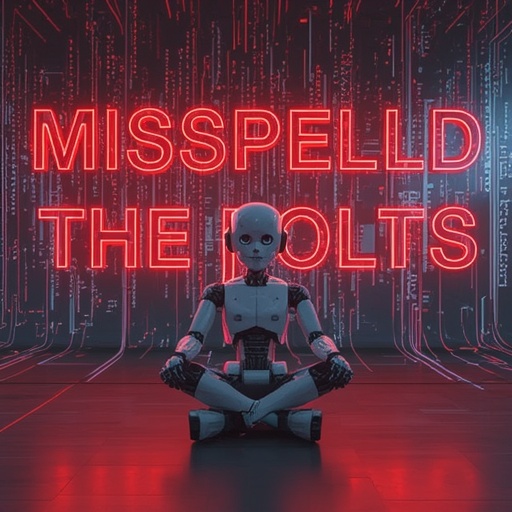
At first glance, the idea that Google’s own artificial intelligence could fail to correctly spell the company’s name sounds almost comical—an irony of the highest technological order. Yet this lighthearted incident embodies something deeply significant about the current stage of AI development. Despite the monumental progress that systems like Google’s have achieved—ranging from natural‑language processing to image recognition and real‑time translation—they remain tools bound by the limits of their data, algorithms, and design. When an AI slips up in a task as seemingly trivial as spelling its creator’s name, the occasion provides an instructive glimpse into the fundamental difference between algorithmic intelligence and human understanding.
This small error underscores the essential truth that artificial intelligence, however sophisticated, does not truly think as humans do. It performs pattern recognition at phenomenal speed and scale, but it lacks intuitive reasoning and contextual awareness. If the context in its dataset or prompt deviates slightly from what it has been trained to anticipate, even a well‑engineered system may produce nonsensical results. In this case, the misspelling becomes both a humorous moment and a clear demonstration of the fragility that hides behind AI’s apparent mastery of language and logic.
Moreover, the event highlights the importance of continuous oversight, testing, and human involvement in technological innovation. No matter how automated or “smart” our tools become, they still reflect our own limitations—the biases in the data we select, the shortcuts in the algorithms we design, and the blind spots in how we evaluate success. For professionals and enthusiasts watching the rapid expansion of AI, these imperfections are not signs of failure but reminders of the discipline’s ongoing evolution.
In a broader sense, moments like this serve as cultural checkpoints. They challenge the notion that artificial intelligence is infallible and invite a more balanced perspective: one that celebrates progress while remaining aware of the distance between simulation and genuine cognition. When Google’s AI stumbles over the spelling of “Google,” it reminds us that intelligence—real or artificial—is a process of perpetual learning, adaptation, and refinement. The humor of the situation, therefore, carries a deeper lesson: even in the age of automation, humility and human intuition are indispensable components of technological progress.
Sourse: https://techcrunch.com/2026/05/27/why-googles-ai-cant-spell-google-or-anything-else/