Like so many adolescents in today’s world, my teenage daughter demonstrates a nearly ritualistic diligence in making sure her phone is always with her before leaving the house each morning. The small device has become far more than just a piece of technology to her—it functions as her central means of communicating with friends, her essential tool for coordinating after-school logistics, and her primary way of checking the local bus timetable for her daily commute. In short, for her and for most young people, the phone is both a lifeline to peers and a practical necessity for navigating school and extracurricular obligations.
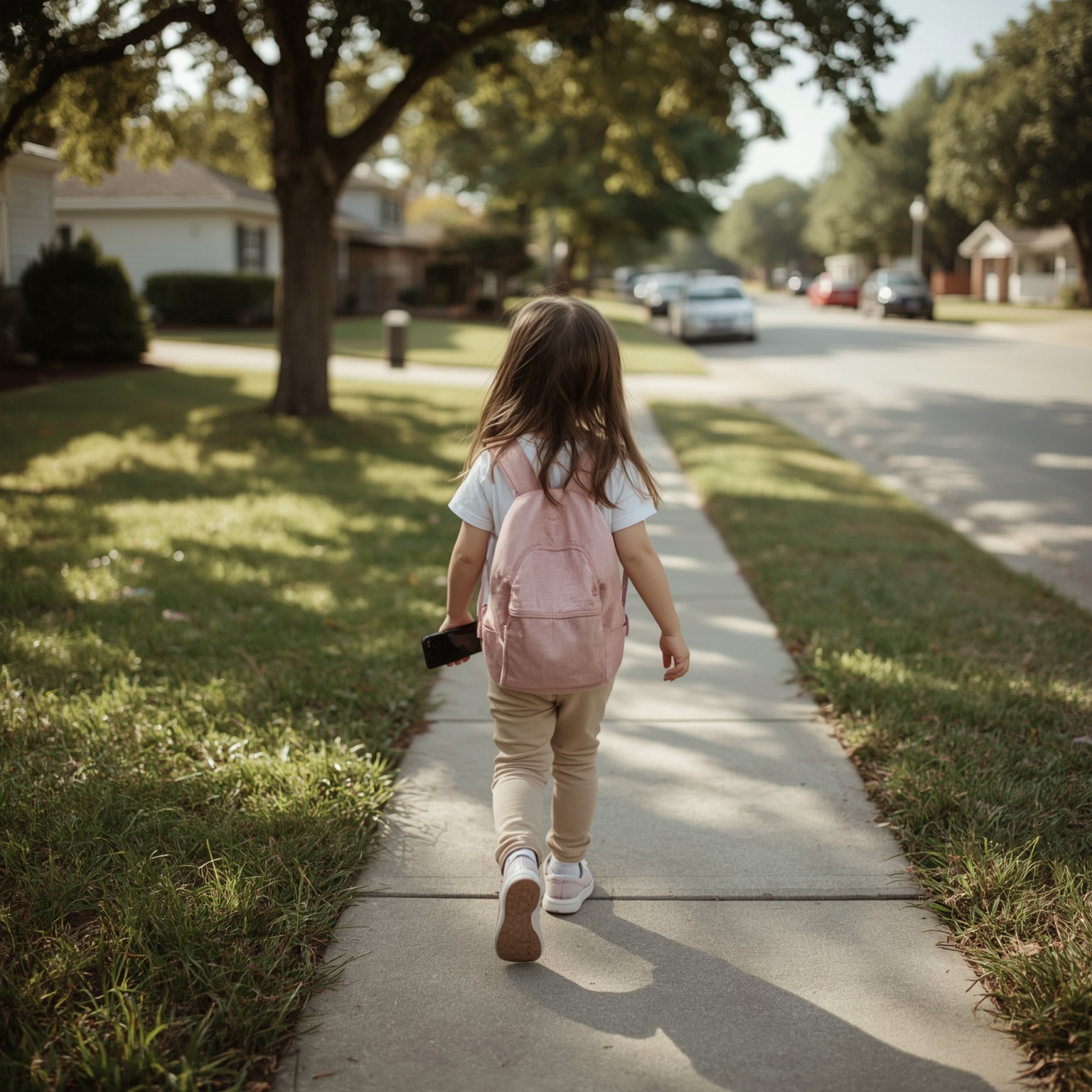
My attitude toward cellphones, however, has always been somewhat nuanced. Like her older siblings, my daughter received her very first phone at a fairly young age. She was just eight years old when the responsibility of walking to school independently became part of her daily routine. At that moment, I decided to place a phone in her hand—not as a frivolous gadget, but as a safeguard. I wanted her to have the reassurance that she could immediately reach me if she became lost, ran into difficulties, or simply felt unsafe on the way to or from school. That choice gave me peace of mind and offered her a practical line of connection to home.
Now that she is fifteen, I look back on that decision without a hint of regret. The early introduction to phone use was not merely about personal safety; it also fostered her independence and gradually built her confidence. Moreover, granting her access at a young stage gave me the opportunity to actively guide her through the complicated social and digital pitfalls of phone use while she was still at an age when parental influence had weight. She learned responsibility under my supervision and developed healthier habits in managing a device that, for many children, becomes overwhelming when introduced later without guidance.
Yet despite these personal benefits, I remain firmly convinced that cellphones should not be permitted within school environments. When our district announced its new policy—a bell-to-bell prohibition on phone use during the academic day—and when my daughter’s charter school aligned itself with this restrictive approach, I felt a wave of relief and enthusiasm. My daughter, by contrast, was far less appreciative. For her, the policy felt inconvenient and unwelcome, but she had no choice but to comply with the directive.
The truth is that the issue of phones in schools has been a contentious one for years. At times it seemed as though my own children were unwilling participants in an enormous, uncontrolled social experiment, with teachers forced to deal daily with the unpredictable consequences. Educators, who witness firsthand the impact of unrestricted phone use on students’ ability to concentrate and collaborate, have long argued that these devices disrupt rather than enhance the classroom experience. Indeed, some teachers have been vocal advocates for complete bans, often stressing that the constant distractions undermine both teaching and learning.
Academic research on this matter has produced mixed findings, yet a growing body of studies identifies significant benefits to restricting phone access in schools. Reports suggest improvements in student focus, more genuine face-to-face social interactions, healthier classroom dynamics, and even an increase in overall safety. These results resonate not only with the insights of educators but also with my daughter’s candid observations. She herself admitted that phones created persistent challenges in her school long before the ban took effect.
She described to me how classmates frequently scrolled or messaged during lessons instead of paying attention to the material. Teachers, upon noticing, found themselves forced to interrupt their instruction in order to address the behavior, creating ripple effects of distraction that affected the entire class. At times, phones introduced background noise—music, videos, or notifications—that disrupted the learning atmosphere. On other occasions, the very presence of a video playing in a neighbor’s seat proved too great of a temptation for students nearby, undercutting their focus.
Nor were the problems confined to the classroom itself. During non-instructional periods such as lunch and recess, many students turned inward, choosing to scroll endlessly through apps instead of socializing face-to-face, engaging in physical activities, or simply making meaningful connections with their peers. My daughter noted that this habit gradually eroded opportunities for friendship-building. As someone who remembers eager conversations with friends during her own school breaks, I find it disheartening that digital feeds have substituted for real interactions. Even more troubling, phones at her school had sometimes been used for malicious purposes—recording embarrassing incidents and sharing them widely, magnifying a child’s momentary mistake into something permanent. I often feel grateful that my teenage missteps were not documented in this way, and I believe today’s students deserve the same chance to make errors without the fear of public exposure.
The transition to a phone-free school is not without its own obstacles, of course. After a few weeks under the new rules, my daughter began to complain that losing access to her phone during the day complicated not only her social life but also her academic tasks. She pointed out that she had previously used her phone, with teacher approval, as an educational aid—for instance, accessing YouTube tutorials or other resources blocked on her school-issued computer. The strict content controls placed on the school laptops made it difficult to find alternative sources, and she missed the functionality her phone once offered. In addition, when she needed to record a video for an assignment, the computer’s camera quality was inferior compared to her phone. She worried that this technical limitation might reflect poorly on her academic performance.
I recognize these limitations as genuine challenges, and I acknowledge that the implementation of new systems usually requires adjustment. Still, I remain convinced that removing phones from the equation is the overall right decision. In the long run, the benefits of greater concentration, reduced social pressures, and a healthier school environment outweigh the inconveniences and frustrations caused by the absence of personal devices.
The policy change, however, has not only impacted my daughter. I have felt its repercussions in my own life as well. Previously, I could briefly text her during the day to share news, encouragement, or even frivolous excitement. When two celebrities announced their engagement, part of me ached because I could not instantly share the surprise with her. Even more seriously, during a school shooting reported in Minnesota early in the academic year, I experienced genuine fear. The realization that I could not immediately contact my daughter in a real emergency left me shaken. Equally unnerving was the thought that she would be unable to reach out to me for comfort or guidance in a moment of crisis.
Yet despite these emotional hurdles and the occasional frustrations, I believe that the benefits of creating a phone-free learning environment outweigh the costs. Whether this policy will remain permanently in place throughout our district remains to be seen. For now, though, I stand firmly in support of the decision, hopeful that over time both students and parents will recognize the value of schools becoming spaces that prioritize focus, community, and development, unburdened by the constant distraction of phones.
Sourse: https://www.businessinsider.com/school-banned-phones-mom-supports-2025-9