Living without the constant intervention of an alarm clock may at first glance appear to be a kind of indulgence, a luxury that only a few can afford. However, I would argue that this presumption misrepresents the reality. For nearly a decade, I have managed my mornings without the electric blare of alarms, and what surprises most people is that this way of living is not only possible but requires intentional commitment, mental discipline, and a willingness to trust and train the body’s natural rhythms. Contrary to assumptions, learning to wake at the right time unaided by devices demands far more from us than passively succumbing to technology.
Of course, I freely acknowledge that not every individual has the professional or personal flexibility to adopt this routine; certain jobs and family responsibilities tether people to fixed schedules that leave little room for experimentation. Nevertheless, among the sleep researchers and neuroscientists with whom I have consulted in the course of my work, the practice of living alarm-clock-free is not only respected but frequently practiced in some form. Scientists studying sleep themselves often recognize the profound benefits of allowing the body’s circadian mechanisms to operate without disruption.
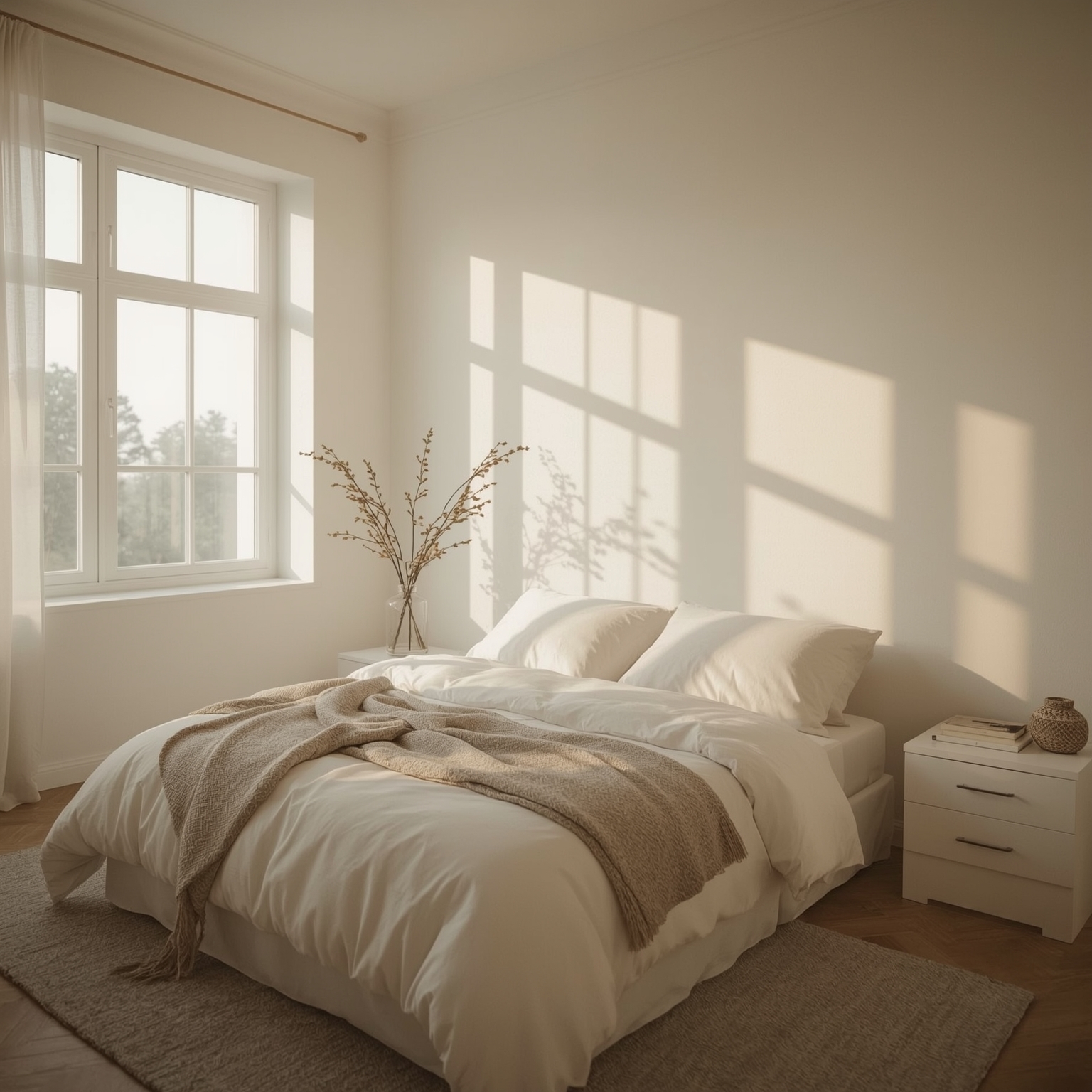
For me, it was sunlight that became the anchoring factor in this transformation. Within only a few weeks of what I came to describe as “free sleeping,” my brain adapted, enabling me to awaken consistently at nearly the same time every morning—generally close to 9 a.m.—without the unpleasant jarring of a buzzing alarm. The sun, beaming through the skylight into my bedroom, naturally signaled to my body that the day had begun. My routine solidified into a ritual: I would rise calmly, step outdoors with a warm cup of green tea, and let the morning light wash over me. This exposure not only awakened my senses but also synced my internal clock with the rhythm of the day. Today, I find this simple yet powerful act of bathing in at least fifteen minutes of early sunlight to be my most effective tool in stabilizing my sleep-wake cycle.
Throughout my days, I make deliberate efforts to reinforce this natural system. As science writer Lynne Peeples eloquently describes in her book *The Inner Clock*, I indulge in what she calls “circadian snacks”—brief but purposeful doses of sunshine scattered like small parcels of nourishment across my daily schedule. Just as importantly, when night arrives, I protect darkness from intrusions of artificial light. Blue wavelengths especially are notorious for confusing the body’s sense of time, so I employ night mode on all my devices and use smart bulbs programmed to cast a warm, dim, amber glow throughout my home. In this way, my environment itself supports the natural fall of evening, guiding me toward rest.
In the process of discarding my alarm clock, I learned a crucial truth: the body has an innate demand for a specific quantity of sleep, and once we discover that personal threshold, consistency follows almost effortlessly. Sleep scientist Rebecca Spencer, Ph.D., from the University of Massachusetts, Amherst, applauded my decision when we discussed it during a recent call. Yet she wisely cautioned against one potential danger. In the darker months of winter, when sunlight is scarce, some individuals may overindulge in “free sleep,” allowing excessive hours of rest that compromise their sleep pressure the following evening and potentially induce insomnia. Her advice served as a reminder that setting gentle boundaries is essential.
During my initial weeks of unregulated sleep, I fell into this trap—succumbing occasionally to luxurious, prolonged slumber. Over time, however, I closely observed the signals of my body, gradually discerning the precise span of rest I required. The result was enlightening: I established a natural window of nine hours of nightly sleep, with a margin of only half an hour on either side. This consistency has granted me stability and a refreshed sense of alertness that years of conventional schedules never provided.
My journey toward a life free of alarms was not arbitrary; it emerged from my career itself. As a journalist tasked with investigating the science of sleep, I was peculiarly positioned to experiment firsthand. My earliest assignment involved writing about jet lag, which illuminated for me that disruptions akin to time zone travel also occur in daily life without physically leaving one’s city—a phenomenon researchers call “social jet lag.” The unpredictable hours of a newspaper reporter had left me perpetually fatigued, mirroring the desynchronization of constant travel. Years of accumulated sleep debt proved difficult to erase quickly.
In interviews with leading experts, I came to marvel at light’s extraordinary influence on circadian health. I learned that every organ, and indeed every cell in the human body, operates according to its own precisely tuned rhythm, all harmonizing together as though forming an intricate orchestra of biological clocks. Our livers, lungs, and skin all pulse with their own subtle tempos, working collectively to sustain life and health.
Empowered by this knowledge, I plunged into an experiment that soon reshaped my life. With the freedom of a magazine role that allowed late-morning starts and colleagues three time zones away, I seized the opportunity to explore true free sleeping. I physically placed my phone—my default alarm—outside the bedroom and allowed my body to dictate waking. Initially, I fell into the pattern Spencer calls “sleeping luxuriously.” But the absence of an alarm gradually exposed my genetic signature of sleep need. Left undisturbed, I functioned best with roughly nine hours of rest.
The benefits of this practice emerged swiftly. Although I have always leaned toward late nights, deliberate exposure to morning sunlight helped draw my schedule a little earlier without coercion. In weeks, I felt my vitality surge. Energy that had long been drained returned with abundance; I revived my yoga practice, ultimately shedding nearly twenty pounds. The quality of my sleep enhanced not only my mind’s clarity but even the visible health of my skin, which glowed with renewed vigor. In short, sleep revealed itself not as wasted time but as potent medicine—restorative, transformative, and undeniably essential. Daily life felt significantly lighter, freer, and more sustainable.
Nevertheless, many people abandon the pursuit of aligning with their circadian rhythms too prematurely. It requires patience, commitment, and courage to forgo alarms long enough for the body to rediscover its internal cadence. However, once a consistent pattern of exposure to light and darkness is established, the system becomes self-sustaining. I remain convinced that if more individuals challenged themselves to pursue a truly regular light-dark cycle, they would experience the profound transformation that has shaped my own life.
Sourse: https://www.businessinsider.com/havent-used-alarm-clock-in-almost-decade-2025-9