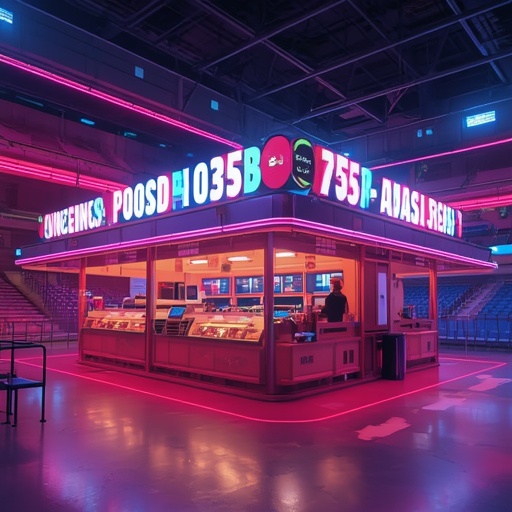
For years, fans have joked—and sometimes complained—about the shockingly high cost of grabbing a snack or drink during a sporting event. A simple hot dog or soda that might cost just a few dollars elsewhere can easily be triple or quadruple the price once you’re inside a stadium. This frustrating pattern isn’t merely the product of greedy vendors; it reflects a deeply interwoven network of business agreements, exclusive supply chains, and logistical constraints that significantly inflate operational expenses.
Behind the glimmering concession stands lies an entire industry shaped by contracts between stadium owners, third-party catering companies, and franchise vendors who often operate under long-term exclusivity arrangements. These agreements give certain providers a monopoly over food and beverage services, allowing them to dictate prices that are far beyond normal retail expectations. Because fans are essentially a captive audience once inside, with limited alternatives, the economics of convenience—and lack of competition—create the perfect conditions for price escalation.
The costs also reflect a host of unseen factors: high facility maintenance, labor regulations requiring premium pay rates during events, and even municipal taxes that vary from city to city. Add marketing fees, equipment rentals, and strict security compliance, and suddenly, that $10 beer starts to make much more sense from a financial standpoint. However, these reasons rarely comfort fans who are already paying expensive ticket prices and parking fees just to enjoy the game.
In response to growing public dissatisfaction, several local and state governments have begun exploring new legislation that would target unfair pricing practices within entertainment venues. These proposed laws are designed not to punish stadiums but to introduce greater transparency and accountability in their vendor contracts. If passed, such measures could push venues toward renegotiating terms that would open their markets to a wider range of local food suppliers and potentially lower average price points for consumers.
The implications of these initiatives stretch far beyond the cost of a single snack. Lower concession prices could enhance accessibility for families and younger fans, fostering a more inclusive experience where attending live sports isn’t limited to those with higher disposable incomes. From a business perspective, there’s also the potential for increased overall sales volume, as fans who previously skipped expensive meals might be encouraged to spend more frequently when prices feel reasonable.
Changing the established economic model of stadium concessions won’t happen overnight. Venues will need to reevaluate long-standing contracts, explore scalable partnerships with local vendors, and adopt more flexible pricing strategies without undermining financial sustainability. Yet the prospect of reform offers something rare—an opportunity to transform the fan experience from one of reluctant spending into one of genuine enjoyment.
Ultimately, as these reform efforts gain momentum, fans can look forward to a future where cheering on their favorite teams doesn’t come with the sting of overpriced snacks. Whether you crave a simple hot dog, a slice of pizza, or a refreshing drink, the day may soon come when affordability once again takes its rightful place alongside excitement, loyalty, and community in stadium culture.
Sourse: https://www.businessinsider.com/why-stadiums-can-charge-whatever-they-want-for-food-2026-7