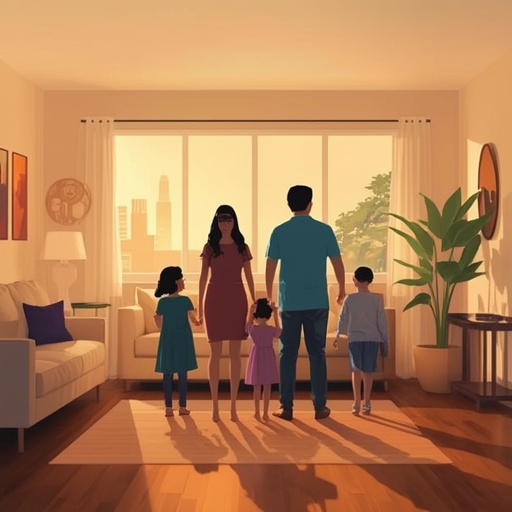
The concept of multigenerational living has gradually evolved from a niche lifestyle choice into a pragmatic and emotionally enriching way of approaching modern family life. Once perceived as merely an arrangement of convenience or necessity, the idea of multiple generations residing under one roof has become an intentional decision for many seeking deeper connections and greater financial balance. In an era marked by high housing costs, demanding work schedules, and the growing need for elder care, families are finding that combining resources and living space fosters not only financial resilience but also emotional strength.
In cities such as Seattle, where living expenses continue to surge, families are turning toward multigenerational households as a sustainable solution. Instead of viewing shared living as a compromise, these families often find it to be a source of shared stability. Parents in their forties, for example, are discovering that moving in with their own parents, while simultaneously raising their children, creates a dynamic environment of mutual support. The grandparents often provide invaluable childcare and emotional guidance, while adult children contribute financially and practically to household upkeep. Together, they form an interdependent network that blends care, companionship, and collaboration.
Beyond the obvious benefits of shared bills and combined resources, this lifestyle embodies something more profound—an emotional and social ecosystem that strengthens familial ties. Living together across generations allows wisdom to flow naturally from older to younger members while bridging generational gaps that might otherwise widen in today’s fast-paced, individualized world. Dinner tables become places of storytelling and mentorship; shared living spaces transform into zones of empathy and learning. The experience, though occasionally challenging, nurtures adaptability, patience, and an appreciation for collective well-being.
From a financial perspective, the advantages are notable. The rising costs of mortgages, rents, utilities, and caregiving can be distributed more evenly across household members. Multigenerational living can also allow families to delay or even avoid costly institutional care for aging parents while enabling young adults to save for future milestones. This communal structure quietly redefines what financial wellness can look like—one grounded in cooperation rather than isolation.
Yet, beyond the fiscal dimension lies a cultural and emotional revival. For many families, multigenerational living reconnects them to traditions of mutual responsibility and shared existence once common in earlier generations. In an age where independence has long been idealized, the resurgence of intergenerational households highlights that dependence, when reciprocal and respectful, can actually enhance freedom. It allows each member to thrive within a supportive framework while maintaining individual dignity and purpose.
The growing embrace of this lifestyle underscores a broader shift in the definition of home. No longer merely a physical shelter, home becomes a shared emotional foundation where generations coexist, nurture each other, and evolve together. Multigenerational living offers a blueprint for a more compassionate, sustainable, and unified vision of family life—one that intertwines the practicalities of modern economics with the timeless human desire for connection, love, and belonging.
Sourse: https://www.businessinsider.com/bought-house-living-with-parents-and-kids-multigenerational-home-benefits-2026-7