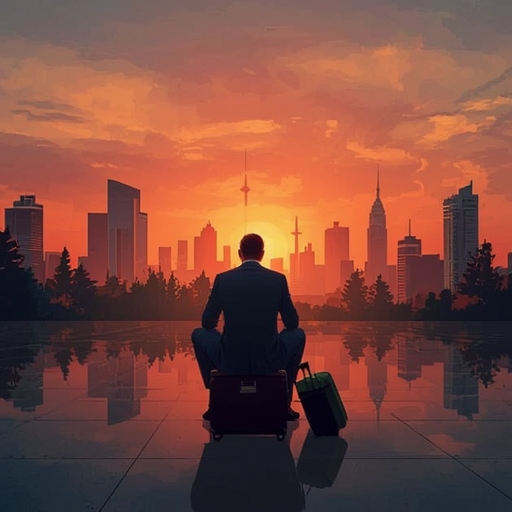
For many years, I was captivated by the intoxicating idea of a boundaryless life filled with movement—a dream where every new destination promised fulfillment, freedom, and purpose. The notion of constant travel shimmered with allure: the endless plane tickets, the rush of airport terminals, the constantly changing skylines, and the comforting anonymity of being in motion. Yet, beneath that romantic façade, I eventually discovered a quieter, more sobering truth: that living in perpetual transit can quietly erode one’s sense of balance, health, and emotional stability.
At first, I thrived on the novelty. Each new country offered a renewed surge of curiosity—a chance to reinvent my days, to find stories in the winding streets of Lisbon or the serene landscapes of Bali. I equated movement with success, imagining that a full passport meant a full life. Friends admired the lifestyle, and social media reinforced the illusion: dazzling sunsets, local cuisines, and brief glimpses of happiness perfectly framed. Yet, what those curated moments never captured was the constant fatigue that began to infiltrate even the calmest mornings—the way a sense of displacement lingered, no matter how beautiful the backdrop.
What I once called freedom began to feel like relentless motion without rest. The subtle exhaustion grew into something deeper: anxiety born from instability, from never feeling rooted anywhere long enough to rest or reflect. Hotel rooms replaced homes, and unfamiliar time zones blurred the line between days. My body spoke first—through sleepless nights, creeping tension, and an exhaustion that no pristine beach could heal. Emotionally, I felt fractured, torn between pride in my independence and a yearning for stillness I could no longer ignore.
The turning point came quietly, as such revelations often do. During one particularly weary morning in a foreign city, I realized I couldn’t immediately recall where I was without checking a map. The thrill had vanished, replaced by a disorienting sense of distance—not only from the world around me but from myself. It was then that I understood that true adventure doesn’t always come from covering ground. Sometimes it begins in the act of stopping—of allowing oneself to breathe, to stay, to be rather than to chase.
Reimagining my ‘dream life’ meant dismantling the myth I had built around constant motion. I learned that genuine well-being requires rhythm—periods of movement balanced by periods of stillness. Stability no longer felt like surrender; it began to represent health, clarity, and self-respect. I discovered that success is not measured in stamps or stories told over wine in hostel courtyards, but in the quiet moments when the mind feels calm, the body rested, and life expansive even within familiar walls.
Today, I still travel, but differently—consciously. My suitcase no longer defines me, and the glamorous allure of perpetual motion has given way to something far more sustaining: the understanding that rest is not the enemy of ambition, but its foundation. The world remains vast and extraordinary, yet the greatest journey I have taken is inward—the steady rediscovery of peace after years of running toward an ever-receding horizon.
Sourse: https://www.businessinsider.com/traveling-full-time-bad-why-quit-dream-job-2026-1