It’s an ordinary Tuesday evening, one of those midweek moments that feel both routine and relentless. Like countless other families across neighborhoods everywhere, our household piles into the family minivan, darting through familiar streets as we shuttle from one child’s activity to another. This pattern of motion, of constant pick-ups and drop-offs, defines most weeknights and Saturdays in our home. Although we often find ourselves fatigued by the repetition and commotion, there is a deliberate difference in how we have chosen to manage our children’s extracurricular lives: in our family, each child participates in only a single activity at a given time.
Our guiding philosophy regarding after-school engagements could best be summarized by the principle that “less is more.” While so many parents around us fill their calendars with overlapping practices, lessons, tournaments, and clubs in the belief that quantity equals enrichment, we have taken an alternative path. Through years of trial, observation, and reflection, we’ve discovered that intentional limitation—resisting the urge to sign up for every opportunity—carries unexpected advantages. The benefits have proved both tangible and emotional: less stress, more connection, and a sense of calm where chaos might otherwise reign.
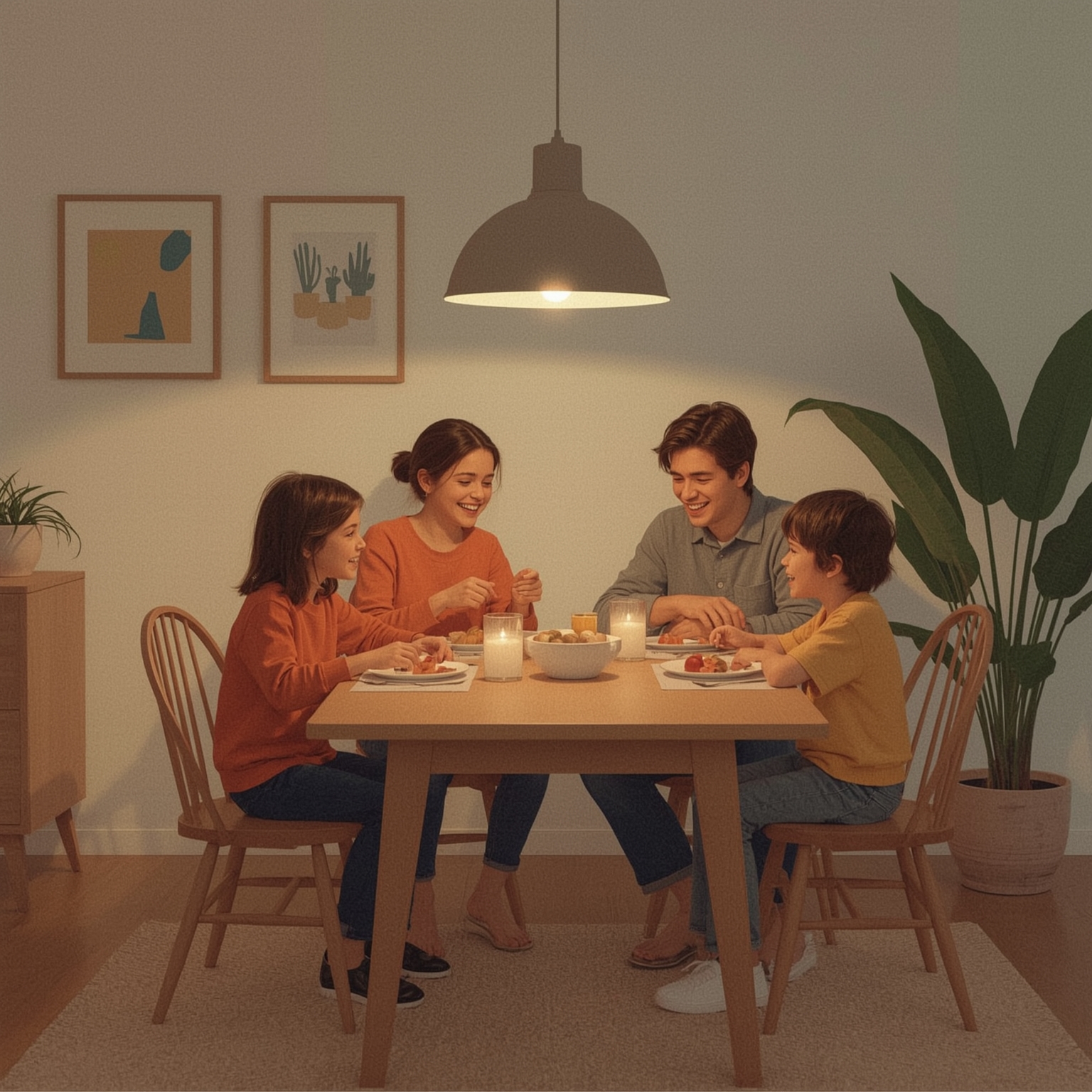
One of the greatest rewards of restricting our children’s activities lies in the way it allows us to reclaim genuine family time. Several evenings each week we sit together around the dinner table, sharing not just food but conversation and laughter. During these meals, everyone has a chance to pause from the day’s momentum and reconnect. We exchange stories, inquire about one another’s experiences, and occasionally burst into the kind of silly jokes that are unique to families comfortable in their shared chaos. Admittedly, not every dinner runs smoothly—bickering arises, glasses spill, and fatigue lingers—but even amid the imperfections, we recognize the deep value in gathering face-to-face. These moments, transient as they may be, form the backbone of our family bond.
Our Sundays also carry a rhythm of togetherness. We often begin the morning attending church as a family, a ritual that grounds our week and reminds us of shared priorities. When Friday evenings roll around, we occasionally seize the chance to unwind with a simple family movie night, complete with popcorn and an overabundance of blankets on the couch. What might appear modest in tradition feels substantial in meaning. By intentionally leaving space in our schedule, we’ve preserved time for presence—time we would lose if every evening were consumed by external commitments.
Another undeniable advantage of our “one-activity-per-child” guideline lies in the financial relief it provides. Every parent, regardless of background, understands how surprisingly expensive extracurricular pursuits can become. Each program demands its own set of costs—special equipment, uniforms, participation fees, and periodic travel, even if that means just a cross-town drive. When multiplied across four children, even minor fees transform rapidly into a considerable expense. By setting clear boundaries and allowing only one activity per child, we maintain greater financial discipline and protect our family budget. This practical restraint frees us from the constant pressure of paying for overlapping seasons and helps us direct resources toward other meaningful priorities.
The structure also benefits our daily rhythm in less obvious but equally significant ways. With fewer obligations crowding the calendar, every member of the household enjoys more time to rest, study, or simply breathe. Our evenings feel less like a series of logistical puzzles and more like a collection of flexible opportunities. There might be a quiet Sunday afternoon spent lounging at home or a midweek evening devoted to catching up on homework without the typical rush. Sometimes the teens take advantage of the calm to enjoy time with friends; other times, they simply nap, appreciating the rare luxury of unstructured hours. This flexibility nurtures emotional well-being and allows our family to align our days with genuine needs rather than constant external demands.
By limiting commitments, we’ve also gained a sense of mastery over our schedule—rather than being at its mercy. With four children, even a single activity each can keep us occupied, yet because the commitments are contained, we manage them instead of feeling managed by them. Our household runs with a rhythm that feels intentional, not reactionary, and that distinction makes a world of difference. We can say yes or no with purpose, navigating the weeks with a balance that supports both productivity and peace.
As a college instructor, I’ve observed this same principle reflected in my students. Many who once filled every hour of their high school years with sports, clubs, and extracurricular achievements arrive at college no more prepared—academically or emotionally—than their peers who chose fewer activities but participated with depth and focus. While it’s undeniable that organized pursuits teach teamwork, discipline, and leadership, I have come to believe that learning to rest, to reflect, and to preserve family connection can be equally formative. There is profound wisdom in moderation: sometimes personal growth appears not in the flurry of endless involvement but in the serene intervals of stillness.
For us, the decision to simplify our children’s schedules has redefined what family life feels like. We’ve exchanged a version of busy that left us breathless for a rhythm that allows everyone to thrive—children and parents alike. In a world that often equates activity with accomplishment, we’ve found that doing less has enabled us to experience more: more laughter, more dinners shared, more calm, and more life lived intentionally, together.
Sourse: https://www.businessinsider.com/limit-after-school-activity-sports-budgeting-save-money-2025-10