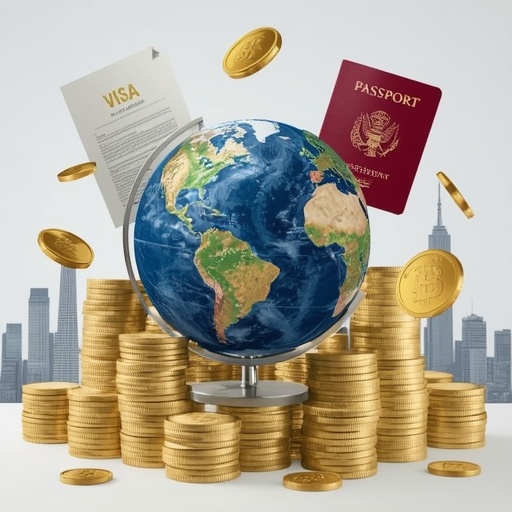
As the United States intensifies its debate over implementing wealth taxes, a growing number of the nation’s wealthiest citizens are quietly crafting contingency strategies beyond its borders. This surge of interest in what many refer to as a “Plan B” reflects a profound shift in how the ultra-rich perceive economic security and personal stability. Rather than relying solely on domestic financial protections, many are now exploring the legal and financial advantages of obtaining second citizenships or residency rights in foreign countries.
These alternative citizenship pathways often take one of two forms. The first appeals to heritage and history — ancestry-based passports that reconnect individuals to the nations of their forebears. For example, Americans of Irish, Italian, or Polish descent may leverage genealogical ties to secure EU passports, gaining access not only to cultural roots but also to expansive mobility within Europe’s Schengen zone. The second route involves capital-driven “golden visa” programs, which enable investors to obtain residency or even citizenship by placing substantial funds into local economies — typically through real estate purchases, government bonds, or approved business ventures.
While the motivations for such pursuit vary, at their core they converge on a single concern: preserving wealth and freedom of movement in an increasingly uncertain fiscal landscape. Should U.S. policymakers enact significant wealth or inheritance taxes, dual citizenship could offer strategic advantages — such as more flexible taxation structures, alternative domicile options, or simplified international financial planning. Moreover, the symbolic reassurance of having a foreign passport resonates on an emotional level, granting a sense of autonomy that transcends purely economic calculation.
Critics, however, see this movement as emblematic of growing inequality — a reminder that global mobility remains an elite privilege accessible to those who can afford it. For high-net-worth individuals, the opportunity to relocate or legally reframe residency may represent prudent foresight. For others, it underscores disparities in how nations define citizenship and belonging. Nevertheless, this surge in transnational planning reveals a broader truth about modern wealth: in a world of volatile markets and shifting tax codes, citizenship itself has become both an asset class and a symbol of flexibility.
Ultimately, the decision to seek a second passport may reflect more than defensive financial strategy; it may signal a reimagining of what it means to be secure in a globalized era. Whether viewed as strategic prudence or privileged maneuvering, the trend highlights the enduring desire of the ultrawealthy to future-proof their fortunes — not just through investments or trusts, but through legal identities that span continents and promise an enduring sense of control.
Sourse: https://www.businessinsider.com/ultrawealthy-seek-citizenship-abroad-as-wealth-taxes-gain-traction-2026-7