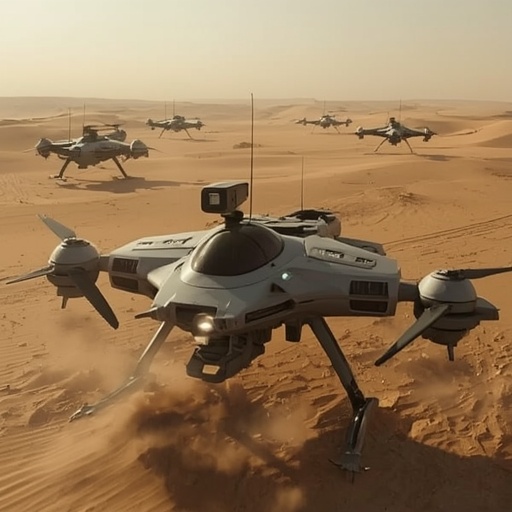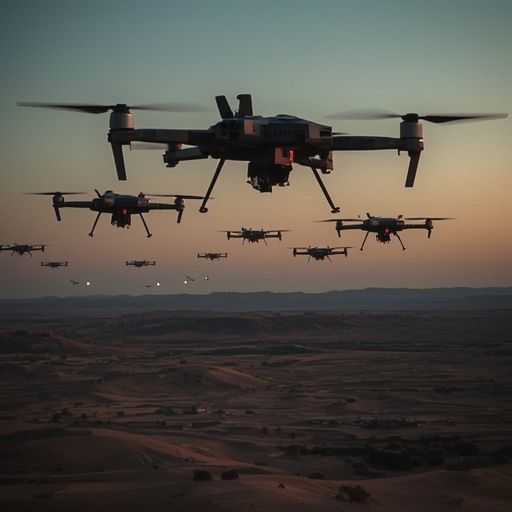
Ukraine’s multi-layered air defense network, designed to counter the constant menace of Russian drones, has emerged as an emblem of resilience and strategic ingenuity. This system, which integrates various technologies, detection methods, and rapid-response interception layers, reflects a paradigm shift in contemporary warfare. Yet as the world looks to the Middle East—a region marked by starkly different geographical, political, and strategic realities—the question arises: could this same defense formula be successfully replicated to safeguard nations threatened by Iranian drone capabilities? The answer, while tempting to frame optimistically, is far more complex.
To begin with, Ukraine’s success stems from a delicate balance between geography, international support, and technological coordination. The country’s air defense web relies on a cooperative blend of Western-supplied systems—ranging from radar surveillance and electronic interference mechanisms to short- and long-range missile interceptors—strategically positioned to cover critical urban and industrial zones. These components were not devised in isolation but shaped through the immediate urgency of survival amid large-scale, persistent Russian assaults. In essence, Ukraine’s layered system represents not only advanced engineering but also an adaptive response born from national necessity and cohesive partnerships with global allies.
Transplanting such a model into the Middle East introduces immediate challenges. Unlike Ukraine’s more compact terrain and centralized command structure, Gulf states operate across vast desert expanses with dispersed population centers and infrastructural nodes. The region’s geography drastically complicates radar coverage, communication synchronization, and interception timing. Moreover, regional defense coalitions in the Middle East do not mirror the same degree of interoperability seen between Ukraine and its Western partners. Political nuances, longstanding rivalries, and differing procurement strategies often hinder the seamless sharing of data, intelligence, and technological assets—an essential foundation for constructing a truly responsive layered defense system.
Another crucial distinction lies in the nature of the threat itself. While Russian drones in Ukraine are primarily used for sustained bombardment aimed at civilian and logistical targets, Iran’s drone strategies operate within a broader asymmetric framework. These drones function not only as direct weapons but also as instruments of influence, capable of destabilizing neighboring states through proxy groups or tactical intimidation. Defending against such a multifaceted threat involves more than intercepting physical aircraft—it demands integrated intelligence systems, rapid information relay, and adaptive cyber capabilities that can neutralize threats even before they take flight.
Furthermore, the diplomatic landscape of the Middle East complicates the adoption of a shared defense doctrine. Whereas Ukraine’s allies have aligned under a largely unified mission of deterrence and survival, the Gulf region’s partnerships are often conditional, fluctuating between cooperation and competition. Aligning political interests to create a sustained regional network of air defense coordination remains a monumental task. Without trust and standardization, the efficiency of even the most advanced technology diminishes sharply.
In conclusion, while Ukraine’s layered air defense strategy undoubtedly provides an instructive case study in resilience and modernization, the direct transplantation of its framework into the Middle Eastern context would overlook critical geographical, political, and technological variables. For Gulf nations seeking protection against Iranian drone incursions, the true path forward lies not in imitation but adaptation—developing bespoke strategies that reflect local terrain, regional alliances, and evolving threat typologies. In doing so, they can draw inspiration from Ukraine’s determination, but must craft defenses rooted in their own distinct realities to ensure their skies remain secure.
Sourse: https://www.businessinsider.com/ukraine-drone-defense-playbook-maybe-ideal-middle-east-interceptors-2026-4