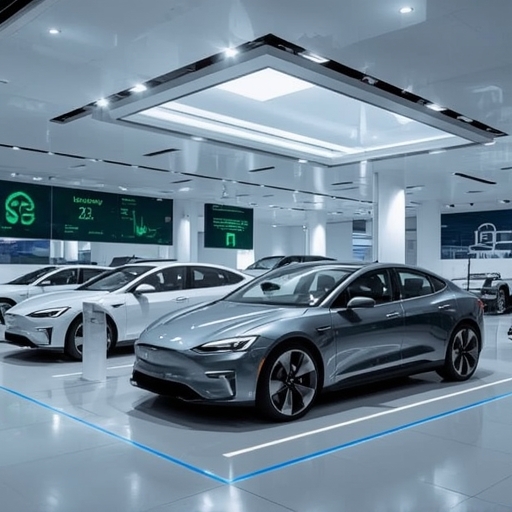
In recent years, the market for pre-owned electric vehicles has evolved from a niche curiosity into a dynamic and influential sector reshaping the perception of sustainable mobility. What was once primarily a response to fluctuating fuel costs has now become a thoughtful choice for individuals and businesses alike who aspire to balance economic practicality with environmental responsibility. As traditional automotive landscapes adjust to rising ecological awareness and technological progress, the used EV segment has emerged as a critical bridge connecting early adopters with mainstream consumers ready to experience the benefits of electrification without the higher price point of brand-new models.
This shift is being driven by several reinforcing factors. First, technological advancements in battery efficiency, range, and charging infrastructure have significantly extended the viable lifespan of electric cars, making the idea of buying a used one no longer a compromise but a smart strategic decision. The growing availability of fast-charging stations across highways, urban centers, and workplaces has alleviated one of the early concerns about electric transportation — range anxiety — and provided greater confidence for second-hand buyers who rely on reliable and accessible charging.
Equally important is the economic logic behind these purchases. Whereas depreciation once threatened to hinder electric vehicle resale values, improvements in long-term battery health and reduced maintenance requirements have helped stabilize and even enhance the residual worth of pre-owned EVs. Drivers find that electric vehicles require fewer mechanical repairs over time because they are built with fewer moving parts and rely on energy-efficient systems not subject to the same wear and tear as internal combustion engines. This translates to substantially lower lifetime ownership costs, an appealing prospect for cost-conscious consumers seeking both savings and sustainability.
Furthermore, the cultural narrative surrounding electric mobility has matured. No longer viewed solely as futuristic novelties or luxury curiosities, pre-owned electric vehicles now symbolize an attainable entry point into a cleaner, technology-integrated lifestyle. Buyers are drawn to features originally reserved for premium models — sophisticated driver assistance systems, digital displays, regenerative braking, and over-the-air software updates — which remain intact when these cars change ownership. The result is a democratization of advanced automotive innovation, giving more people access to intelligent, eco-aware driving experiences.
On a societal level, the environmental implications are equally profound. By extending the lifecycle of electric vehicles already on the road, buyers contribute to a circular economic model that maximizes resource efficiency while minimizing waste. Each reused EV represents a tangible contribution toward carbon reduction and energy conservation, amplifying the cumulative environmental benefits of the broader shift to electrified transport. This interplay between sustainability and practicality reveals that the secondhand EV movement is not just a matter of affordability but a meaningful act of participation in the global effort to decarbonize mobility systems.
The infrastructure supporting this transformation continues to evolve. Automotive retailers, manufacturers, and energy providers are joining forces to standardize the certification and inspection of used EVs, ensuring transparency regarding battery health, software condition, and charging performance. In major markets, digital platforms allow potential buyers to compare verified data about range performance and service history, enhancing consumer confidence and accelerating market adoption. As a result, the used EV ecosystem is becoming more sophisticated, data-driven, and trustworthy than ever before.
In this emerging landscape, secondhand electric vehicles occupy a pivotal role in expanding access to green technology while normalizing sustainable consumer behavior. They embody a future in which ecological commitment and modern convenience coexist seamlessly — where environmental impact is reduced not through sacrifice but through innovation and smarter consumption. Each pre-owned EV sold today fuels a more inclusive, enduring, and intelligent transition toward sustainable mobility, bringing society one step closer to a world where cleaner transportation is no longer an aspiration but an everyday reality.
Sourse: https://techcrunch.com/2026/04/06/gas-prices-arent-the-only-factor-fueling-used-ev-sales/