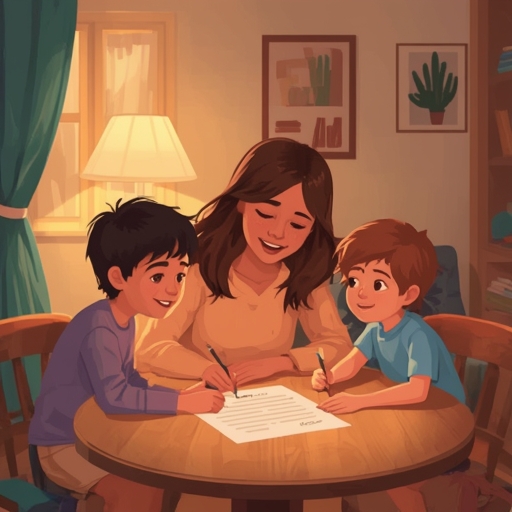
Not long after our son arrived earlier this year, my husband and I realized we would soon need to initiate what might be a somewhat delicate, even awkward, conversation with our closest circle of family and friends. In those joyful first weeks, our parents, siblings, and longtime companions eagerly visited to meet our first child, each of them brimming with affection and inevitably snapping countless photographs to memorialize those fleeting early moments. We understood and empathized with their excitement—they were proud new grandparents, aunts, uncles, and friends eager to celebrate our baby’s arrival and showcase him to the world. Yet, despite knowing their enthusiasm stemmed from love, we made the intentional choice to ask everyone not to display our son’s face on social media platforms.
This decision, though made with clarity and conviction, has certainly introduced moments of difficulty—for us as parents striving to uphold it consistently, and for our loved ones adjusting to a digital boundary that diverges from common habits. Nevertheless, we remain persuaded that the advantages of maintaining our child’s privacy far outweigh any initial inconvenience. At the heart of our reasoning lies the question of consent—arguably one of the most fundamental ethical principles. We believe our son, like every individual, deserves authority over his own digital identity. Because he is too young to comprehend or express preferences about what appears online, we feel it would be presumptuous for us to decide on his behalf. Until he matures enough to articulate comfort or discomfort regarding his online presence, we prefer to protect that autonomy by withholding images that reveal his identity. When the day comes that he can meaningfully provide consent, we will gladly revisit the idea of sharing his photographs.
Our conviction has also been reinforced by emerging scholarship on the subject. In her thought-provoking book *Sharenthood: Why We Should Think Before We Talk About Our Kids Online*, Professor Leah A. Plunkett of Harvard Law School—an expert in technology, privacy, and family law—examines how parents’ social media activity can inadvertently expose children to various risks. Plunkett explains that public posts featuring minors may heighten the potential for identity theft, online harassment, and even digital profiling. Furthermore, she argues that sharing such images can prematurely shape a narrative about a child’s life, effectively curating their personal story before they are old enough to define it themselves. Deeply resonating with these insights, my husband and I resolved to share photographs of our son only when he cannot be personally identified—to preserve both his safety and the integrity of his still-unwritten story.
Of course, translating that resolution into daily practice has required compromise. Given that my husband comes from a large and close-knit family, our gatherings often involve many relatives, frequent photographs, and exuberant moments worth remembering. Expecting everyone to refrain from posting any group pictures containing our son would have been impractical. To strike a balance, we instituted a simple guideline: images could be shared freely provided our child’s face—or any other identifying feature—remained unseen. Consequently, most pictures we ourselves post show him turned away from the camera, captured in silhouette, or with a discreet digital overlay concealing his features.
Despite our efforts to communicate these boundaries, small lapses have inevitably occurred. After a family apple-picking trip, for instance, a relative uploaded a cheerful group shot that inadvertently included our son’s visible face. Recognizing that the mistake was unintentional, we refrained from reacting publicly or in frustration. Instead, we quietly reached out afterward, gently reiterating our perspective and thanking them for understanding. They promptly removed the photo, expressing genuine remorse. While such oversights have happened a few times since our son’s birth—and may continue as he grows—we accept that human forgetfulness is part of life. Our priority is to handle these moments with grace rather than judgment, emphasizing mutual respect over rigid enforcement.
Importantly, our decision not to display our child online is not a silent critique of parents who feel differently. We completely understand the instinctual joy of wanting to share a baby’s first smile, clumsy crawl, or birthday celebration with friends and followers. I, too, feel the pull of that impulse. When we hosted a professional photoshoot shortly after bringing our newborn home, I caught myself feeling a pang of longing that those tender images would remain unseen by the wider digital world. Yet rather than uploading them publicly, I find satisfaction in sharing such updates through smaller, more personal channels—our family and friend group messages—where the audience genuinely treasures these glimpses without exposing our child’s likeness to strangers. These private interactions bring a sense of intimacy that social media, for all its breadth, cannot replicate.
Whenever doubts resurface, as they occasionally do, I attempt to view the matter through my son’s future eyes. I ask myself how I might have felt if my entire childhood had been documented online without my permission—if candid, imperfect, or private moments had been preserved and circulated beyond my control. I cannot be sure how I would respond, but I suspect that being stripped of the choice might have felt unsettling. Thankfully, my own parents never faced that dilemma, simply because the technological landscape of their parenting years was different.
When friends or relatives express mild disappointment that they cannot share a joyful selfie with our baby, I remind myself why we made this choice in the first place. I envision our son a decade or two from now—an adolescent or adult, discovering that his parents exercised restraint on his behalf. I imagine him reflecting with appreciation that his online record began only when he consciously decided it should. Whether or not he thanks us for it, I hope he will recognize our effort to preserve his right to privacy, agency, and self-definition. Ultimately, while time alone will reveal the full impact of this decision, for now I find comfort and confidence in knowing we acted out of respect for our child’s future autonomy.
Sourse: https://www.businessinsider.com/not-posting-kids-face-social-media-challenges-worth-it-2025-12