China’s rapidly evolving transportation landscape is offering a glimpse into a future that, until recently, felt like the stuff of science fiction. Across some of its most innovative cities, fleets of driverless robotaxis glide smoothly through bustling streets, quietly integrating autonomous technology into everyday life. We immersed ourselves in this remarkable technological revolution, taking numerous rides to understand firsthand how artificial intelligence and urban design are converging to reshape mobility.
Embarking on a robotaxi journey in China requires a bit of preparation and curiosity. Travelers begin by downloading specific local ride-hailing apps that support autonomous fleets—these platforms allow users to select, summon, and monitor fully self-driving vehicles with the same ease as any conventional ride-share service. Once inside, passengers watch as the steering wheel moves independently and the vehicle communicates with surrounding cars, traffic signals, and pedestrians. Screens display maps, sensors, and real-time updates, transforming an ordinary commute into a tangible encounter with advanced automation.
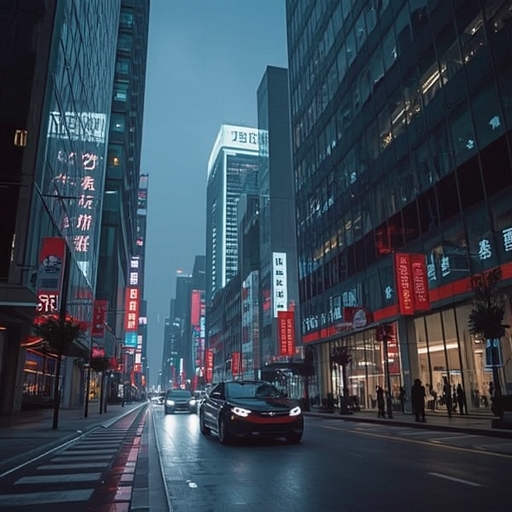
Our exploration took us through cities leading this innovation, where urban environments have been carefully adapted to accommodate autonomous systems. Roads are precisely mapped, intersections are equipped with smart sensors, and regulations are designed to balance safety with progress. The result is a transportation ecosystem that feels both futuristic and functional, blending human intent with machine precision. Whether gliding past neon-lit skyscrapers at night or navigating complex intersections with effortless control, each ride demonstrates a small but profound step toward widespread autonomous living.
For travelers considering an autonomous experience, choosing the right destination is key. Major hubs such as Beijing, Shanghai, and Shenzhen have significantly expanded their robotaxi programs, making them ideal entry points for curious visitors. Within these cities, ride availability fluctuates by district and time of day, as operators continue to refine coverage zones. Still, the ease of use is impressive: a few taps on a screen are all it takes to secure a seat in a driverless car—no translation help or local knowledge required.
Beyond the thrill of technological novelty, riding in a robotaxi offers a deeper perspective on how artificial intelligence interacts with real-world conditions. Every turn, stop, or acceleration encapsulates the delicate synchronization between data-driven decision-making and human comfort. Passengers quickly realize that these vehicles are not just feats of engineering but living examples of how cities can evolve toward safer, cleaner, and more efficient forms of movement.
In many ways, China’s robotaxi ecosystem serves as a preview of the global mobility revolution to come. As autonomous systems become increasingly reliable, urban life will be redefined: traffic congestion could decline, road safety might dramatically improve, and transportation could become more inclusive for people of all ages and abilities. For now, visitors who step into one of these self-driving taxis experience a rare glimpse of tomorrow—a smooth, silent dialogue between technology and city life.
Whether you’re an enthusiast fascinated by new innovations or a traveler seeking something extraordinary, taking a robotaxi ride in China is more than a novelty—it’s a moment of participation in an emerging future. The experience proves that the era of self-driving cars is not a distant aspiration but an unfolding reality already weaving itself into the fabric of daily existence. #AI #SmartCities #Mobility #Innovation #FutureTransport
Sourse: https://www.businessinsider.com/the-ultimate-guide-for-taking-a-robotaxi-in-china-2026-2