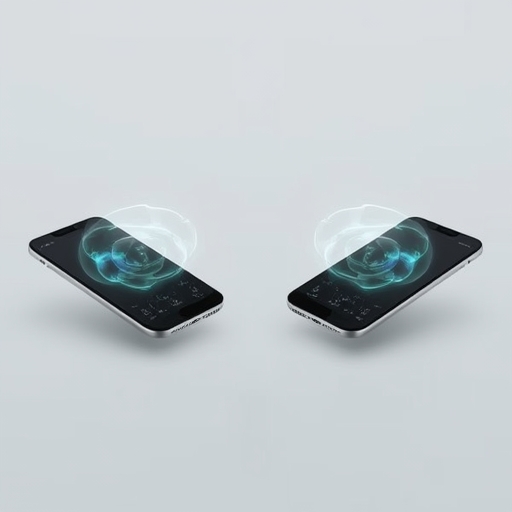
Apple has unveiled the iOS 26.3 update, an iteration that fundamentally redefines how effortlessly users can transition from an iPhone ecosystem to an Android environment. In previous versions, migrating data between platforms often proved cumbersome, fragmented, and prone to errors; however, this latest release introduces a refined experience that consolidates all essential processes within a single, fluid interaction. Through the enhanced transfer tool, individuals are now able to migrate entire datasets—including applications, multimedia content such as photos and videos, messaging histories, and even the continuity of their personal phone numbers—with remarkable simplicity. Rather than depending on complicated upload procedures or third-party intermediary services, users can now simply place the two devices adjacent to each other, allowing the operating systems to establish a direct and secure communication channel for data synchronization.
This development signifies far more than a mere technical upgrade; it represents Apple’s evolving acknowledgment of an increasingly interconnected mobile landscape. By optimizing cross-platform compatibility, the company is subtly adapting to a user base that prioritizes freedom of movement between ecosystems without sacrificing convenience or data integrity. The implementation not only strengthens Apple’s reputation for user-oriented design but also reshapes conventional notions of brand exclusivity, offering a collaborative bridge where once there were rigid divides.
Beyond its technical innovation, iOS 26.3 demonstrates a philosophical commitment to interoperability, transparency, and user autonomy. The tool’s intuitive interface minimizes user confusion by providing clear prompts and progress indicators throughout each step of the migration. For instance, when transferring photographs or chat archives, the system ensures that organizational integrity—such as albums, timestamps, and sequence order—is meticulously maintained, preventing data fragmentation. In practical terms, this means that a user shifting to Android experiences continuity almost indistinguishable from their previous environment. The gesture of placing two devices side by side, simple though it may seem, encapsulates a broader technological metaphor: the dissolution of barriers between once-competing digital ecosystems.
In essence, the iOS 26.3 update can be viewed as both a technical refinement and a symbolic gesture toward more open, user-focused innovation in mobile technology. It not only enhances operational efficiency but also reinforces Apple’s responsiveness to evolving consumer expectations—those who demand seamless functionality, cross-compatibility, and complete control over their digital lives. This release therefore stands as a landmark in the gradual evolution of mobile interoperability, redefining convenience and confirming that the future of connectivity will be measured by how gracefully systems can communicate rather than how fiercely they compete.
Sourse: https://www.theverge.com/tech/877587/ios-26-3-released-transfer-to-android