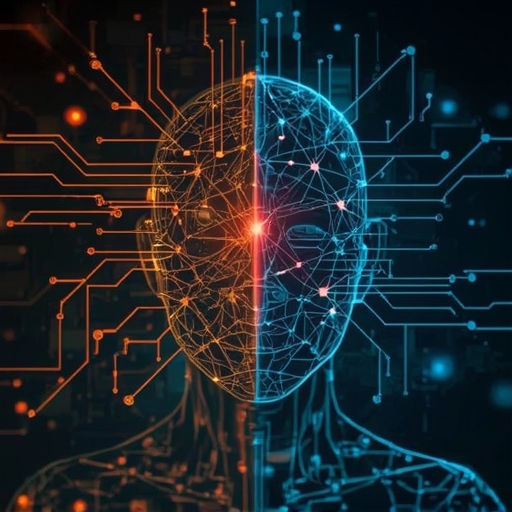
Artificial Intelligence stands at the crossroads of human progress, embodying both the promise of astonishing breakthroughs and the potential for profound disruption. The same algorithms that allow machines to diagnose diseases, accelerate scientific discovery, and expand creative expression could just as easily reshape — or dismantle — the traditional structure of employment and economic stability. In this dual role, AI becomes a mirror reflecting both our highest aspirations and our deepest anxieties about the future.
On one side of this technological coin lies immense optimism. AI innovation is revolutionizing healthcare through precision diagnostics, fueling scientific breakthroughs by processing in seconds what once took years, and transforming education by tailoring learning experiences to the individual. Its capacity to automate, predict, and create with unprecedented accuracy is a testament to humanity’s ingenuity — proof that we can build tools capable of amplifying our potential beyond imagination.
Yet, intertwined with this narrative of progress runs an equally powerful current of caution. The same efficiency that drives AI forward threatens to eliminate millions of jobs, from routine manual tasks to complex analytical roles. Entire industries may face redefinition, forcing societies to question their readiness for such transitions. Beyond the economic implications, ethical dilemmas loom large: how do we ensure transparency and fairness in AI systems that increasingly make life-altering decisions? Who bears responsibility when algorithms fail or discriminate? These questions are no longer theoretical; they define the very ethics of our technological era.
To navigate this paradox, leaders, creators, and policymakers must cultivate a perspective that embraces complexity rather than denying it. Progress and peril coexist — and managing one without acknowledging the other would mean misunderstanding the essence of this revolution. Responsible innovation demands that we prepare for displacement even as we celebrate discovery, that we craft frameworks for ethical AI governance while still pursuing exploration and creativity.
AI, therefore, is not merely a tool but a test of our collective foresight. It challenges us to balance speed with wisdom, capability with compassion. The opportunity before us is enormous, but so is the responsibility. As we move forward, curiosity must walk hand in hand with caution, optimism must be tempered by accountability, and every advancement must be accompanied by thoughtful intention. Only then can we ensure that AI remains a force that expands human dignity rather than diminishes it — both a marvel of innovation and a reminder of the careful stewardship progress requires.
Sourse: https://www.businessinsider.com/ai-economy-jobs-unemployment-citrini-disruption-openai-anthropic-2026-02