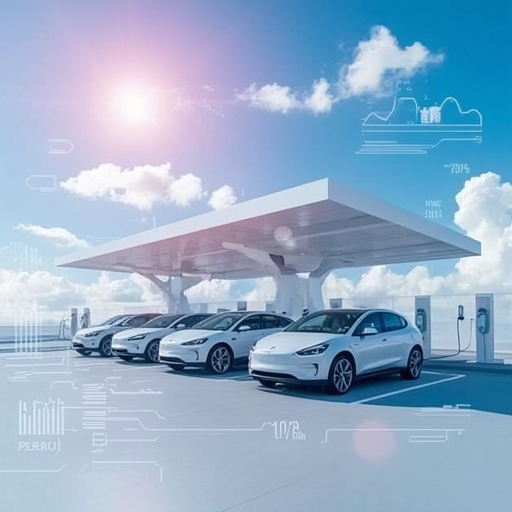
As the cost of gasoline continues its upward climb, a noticeable transformation is unfolding across the American transportation landscape. More than ever before, drivers frustrated by unpredictable fuel prices are reconsidering their relationship with traditional combustion engines and exploring the increasingly compelling advantages of electric vehicles. This shift is not merely a short-term reaction to market fluctuations but rather an awakening to a future in which innovation, sustainability, and cost efficiency intersect.
Car-shopping websites and automotive data platforms have reported a marked surge in online searches and consumer inquiries related to electric vehicles. Individuals who may have previously perceived EVs as niche or financially inaccessible are now expressing genuine curiosity about their economic and environmental potential. From metropolitan commuters hoping to escape the volatility of weekly gas expenditures to suburban families seeking dependable and eco-conscious transportation options, people across the country are reimagining what it means to drive responsibly and economically.
Beyond the obvious financial motivations, rising environmental awareness is accelerating this momentum. Many consumers are beginning to link their everyday driving habits to broader ecological outcomes, recognizing that electric mobility represents not only a personal saving opportunity but also a tangible contribution to reducing carbon emissions. The efficiencies of renewable-powered transportation appeal to those eager to balance convenience with conscience—a combination that once seemed elusive but is increasingly achievable as technology evolves and infrastructure expands.
Industry analysts suggest this growing interest may signal a significant cultural inflection point. The combination of high gasoline costs, improved EV range and performance, government incentives, and a maturing public charging network is transforming the electric vehicle from an alternative option into a mainstream choice. For automakers, this translates to both an urgent challenge and a promising opportunity: to meet consumers’ heightened expectations with innovation, reliability, and accessible pricing.
In essence, the surge in electric vehicle interest represents more than just a momentary response to surging gas prices—it embodies a deeper societal shift toward smarter, cleaner, and more sustainable modes of mobility. As more Americans take their first electric test drive, browse virtual dealerships, or calculate long-term energy savings, the question no longer seems to be whether electric cars will define the future, but how soon that future will arrive.
Sourse: https://www.businessinsider.com/higher-gas-prices-lift-interest-in-electric-cars-2026-3