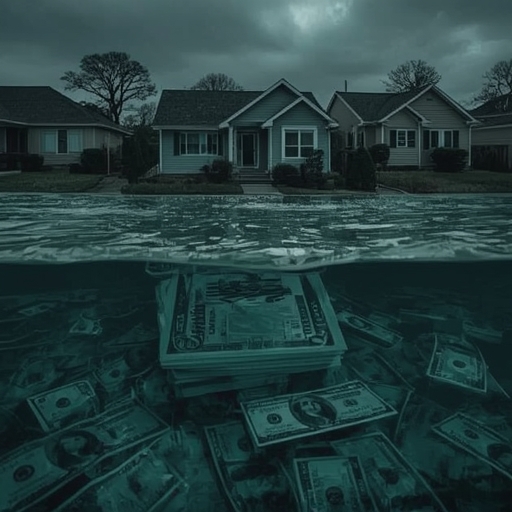
For years, many American homeowners believed that locking in historically low mortgage rates would secure a measure of lasting financial peace. A fixed-rate loan, after all, should insulate owners from the volatility of rising interest rates—at least in theory. Yet even as the principal and interest portions of their monthly payments remain stable, a quieter and arguably more insidious shift is taking place beneath the surface of homeownership. The ongoing escalation of property taxes, insurance premiums, and maintenance or association fees is eroding household budgets and redefining what it truly means to ‘own’ a home in today’s economy.
Property taxes form the first unseen wave in this tide of expenses. As housing valuations climb, even modest rate increases by local governments translate into significant annual sums for homeowners. For example, an individual who purchased a modest suburban home five years ago might now find their property worth substantially more—an ostensibly positive development that can, paradoxically, raise their yearly tax obligations by thousands of dollars. Unlike the predictability of a fixed mortgage payment, these tax adjustments are largely beyond the control of the homeowner, reflecting broader shifts in municipal budgets and regional housing demand.
Insurance costs are climbing even more steeply, driven by climate volatility, supply-chain disruptions, and an uptick in natural disasters nationwide. From Florida to California—and increasingly beyond—insurers are reassessing risk portfolios, withdrawing coverage, or sharply increasing premiums. What was once a manageable annual cost can double almost overnight, leaving homeowners scrambling to absorb or reallocate portions of their income just to maintain adequate protection against damage or liability. In some regions, securing coverage at all has become an arduous task that demands additional time and financial flexibility.
And then there are the day‑to‑day realities of upkeep and maintenance—expenses that quietly accumulate yet rarely feature in the optimistic dashboards of online mortgage calculators. Roof repairs, HVAC servicing, yard care, and the steady inflation of materials and labor can collectively rival car payments or tuition fees. In the case of homes governed by homeowners’ associations, monthly dues or special assessments add yet another complex layer of cost exposure that can catch even experienced property owners off guard.
Taken together, these mounting obligations illustrate a sobering truth: the affordability equation that once defined homeownership has fundamentally changed. The notion of stability anchored solely in a low mortgage rate is increasingly incomplete. Homeownership today requires a kind of financial resilience—an ability to anticipate evolving non‑mortgage costs, to budget proactively, and to recognize that the ‘true price’ of ownership extends well beyond interest payments.
For prospective buyers, this means re‑evaluating affordability through a more holistic lens. A manageable mortgage payment should no longer be considered the ultimate benchmark; total ownership costs—including taxes, insurance, maintenance reserves, and potential energy or infrastructure upgrades—must be folded into long‑term planning. Likewise, current homeowners might find it useful to reassess emergency funds or recalibrate spending habits to offset these creeping liabilities.
The symbolism of a house sinking into a pool of bills feels eerily apt: a reminder that while homeownership continues to represent the cornerstone of financial aspiration, the foundation supporting that dream is shifting. Understanding these hidden pressures—and preparing for them—is no longer optional; it is essential for anyone hoping to remain afloat in an environment where ‘low rates’ no longer guarantee lasting affordability.
Sourse: https://www.businessinsider.com/homeowners-struggle-hidden-real-estate-costs-insurance-property-taxes-fees-2026-3