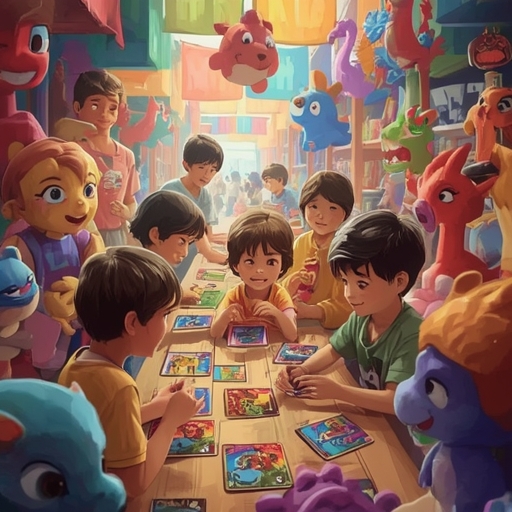
Pokémon has transcended its origins as a simple pastime to become an extraordinary microcosm of modern economics and entrepreneurship for children. What began merely as a playful adventure of collecting cards and battling fantastical creatures has matured into a vibrant ecosystem where strategic thinking, value assessment, and negotiation skills develop naturally through play. In playgrounds, schools, and homes, children are not only swapping colorful cards but also engaging, often subconsciously, in lessons of commerce, persuasion, and long-term investment.
This shift from entertainment to education illustrates how a global franchise can serve as an early apprenticeship in business acumen. A child deliberating whether to trade a rare holographic card for several lower-tier ones weighs risks and rewards, intuitively grasping concepts of scarcity, demand, and opportunity cost. These seemingly lighthearted exchanges echo the very dynamics that govern sophisticated financial markets. Through the lens of Pokémon, youngsters learn that every deal has consequences, that patience can yield dividends, and that information—knowing which characters hold higher value or potential—is a powerful advantage.
The franchise’s immense cultural footprint has also fostered a unique sense of community and shared value creation. When children gather to compare collections or orchestrate trades, they build interpersonal communication skills—listening, compromising, and articulating persuasive arguments. These interactions cultivate emotional intelligence alongside economic intuition, an invaluable combination in any future professional environment. The act of trading ceases to be merely transactional; it becomes relational, rooted in fairness, trust, and mutual satisfaction.
Beyond personal development, Pokémon’s role as the world’s top toy property demonstrates how storytelling and branding can shape behavior and inspire ambition. The characters’ myriad forms, evolving powers, and endless collectibility mirror real-world business ecosystems, where change and adaptation fuel growth. Thus, the game transforms from a recreational pastime into an immersive, hands-on course in innovation and entrepreneurship. Children who master the art of trading today may, unknowingly, be crafting the mindset of tomorrow’s business leaders and creative thinkers.
In essence, Pokémon’s legacy extends far beyond its colorful creatures and competitive battles. It has evolved into a multifaceted educational tool, seamlessly blending fun with formative lessons in economics, collaboration, and strategic foresight. The playground has become the boardroom of imagination—where young minds learn not just to play, but to plan, negotiate, and dream with purpose.
Sourse: https://www.businessinsider.com/how-kids-making-money-pokemon-card-trading-investing-2026-4