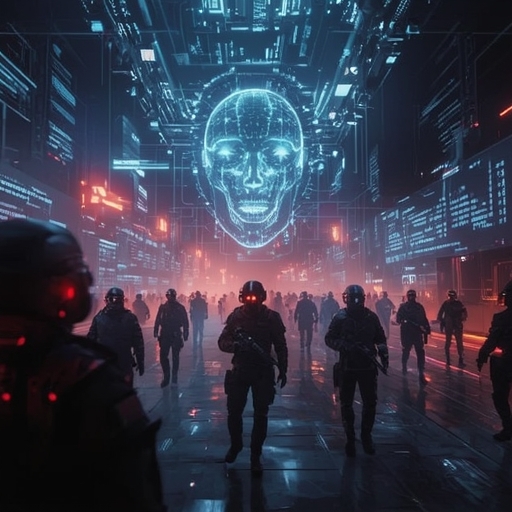
In an era where every click, command, and data stream can serve as a potential weapon, the frontier of warfare is no longer confined to physical terrain—it has decisively expanded into the virtual sphere. The United States Army, long known for its adaptability and innovation, is now redirecting significant strategic focus toward combating a new class of threats: sophisticated, self-learning cyberattacks powered by artificial intelligence. These digital adversaries, capable of autonomously modifying their tactics and countermeasures in real time, represent an unprecedented challenge to national defense. The Army’s current preparations reveal a profound understanding that the future of warfare will hinge upon intelligence, speed, and technological superiority rather than sheer numbers or traditional armament.
Modern defense infrastructures are increasingly reliant on vast networks of interconnected systems, each one a potential vector for intrusion. Recognizing this vulnerability, the US Army has begun implementing intensive cyber training programs designed to simulate the complexities of AI-enabled conflict scenarios. These exercises replicate environments where hostile algorithms attempt to breach, manipulate, or disable defensive systems, compelling human specialists and machine-learning defense models to react simultaneously, predictively, and adaptively. Through this rigorous digital rehearsal, soldiers and cybersecurity professionals alike cultivate resilience, strategic foresight, and an intimate familiarity with the dynamics of AI-driven warfare.
At the strategic level, the Army’s shift toward intelligent cyber readiness underscores a broader doctrinal transformation. Defense, once defined by the protection of borders and physical assets, now demands a holistic framework that encompasses information integrity, data sovereignty, and algorithmic control. The modern soldier must therefore become as fluent in coding languages and network defense as in marksmanship or field tactics. This integration of artificial intelligence into military preparedness not only enhances reaction speed and analytical depth but also redefines the parameters of what security means in the twenty-first century.
For example, AI-powered tools are being employed to identify potential vulnerabilities in real time, assessing vast streams of data to predict and neutralize cyber threats before they can strike. Machine learning models dissect patterns of network behavior, distinguishing legitimate information flow from malicious interference within seconds—sometimes milliseconds—allowing defensive measures to evolve fluidly alongside the threats they confront. Such innovation transforms cybersecurity from a static, reactive process into a continuously adaptive ecosystem capable of learning with every engagement.
These advances, however, come with their own ethical and operational challenges. As artificial intelligence becomes more deeply embedded within defense architecture, military planners must grapple with questions of oversight, accountability, and the potential future autonomy of machine decision-making in combat contexts. The Army’s current strategy acknowledges this delicate balance, emphasizing human oversight and ethical responsibility even as systems become more self-directed.
Ultimately, the message is clear: the next great battlefield will not be measured in miles of terrain but in milliseconds of computational advantage. The US Army’s evolving preparations signify not merely a reaction to emerging threats but a decisive effort to redefine the essence of defense itself—making it smarter, faster, and profoundly adaptive. This new digital front demands soldiers who are strategists, engineers, and innovators at once, capable of safeguarding the nation not only through physical strength but through intellectual and technological mastery. The future of warfare has arrived, and it is written in code.
Sourse: https://www.businessinsider.com/how-us-army-is-readying-for-enemy-ai-cyberspace-attack-2026-5


