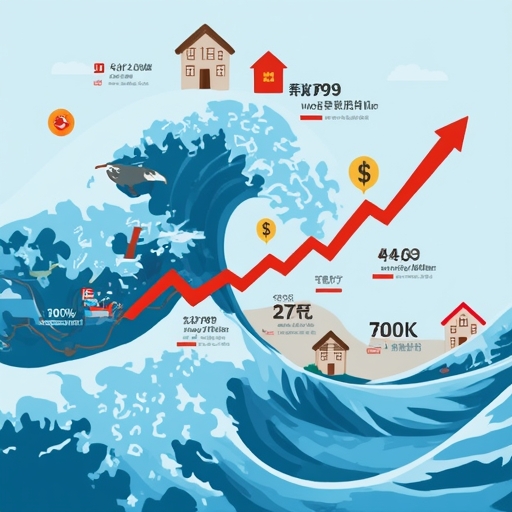
Economists and market analysts are increasingly voicing concerns that the United States may soon confront a renewed surge in inflation — a development distinctly different from the energy price shock experienced during previous economic cycles. This potential escalation is not expected to emerge primarily from fluctuations in fuel or gas costs, but rather from the cumulative impact of heightened geopolitical instability, particularly surrounding the conflict involving Iran. As tensions intensify across this critical region, the global supply chain faces renewed disruptions, and essential commodities such as agricultural goods, household staples, and manufactured products could experience significant price increases.
While the previous wave of inflation was largely centered on the energy sector, tightening supply routes, sanctions, and trade uncertainties now threaten to influence a much broader spectrum of goods vital to everyday life. For the average household, this means the effects may soon be visible not at the gas pump, but on supermarket shelves and within shopping carts. Bread, produce, dairy, and everyday pantry items might all see upward price adjustments as the cost of transportation, raw materials, and imported goods climbs under the strain of geopolitical tension.
This emerging pattern highlights a critical economic reality: inflation can manifest not only through direct energy price shocks but also through the intricate web of global trade interdependencies. When regions that serve as essential conduits for international commerce face political or military instability, the ripple effects extend outward, influencing production costs, shipping routes, and overall consumer expenses. Businesses across multiple sectors — from food suppliers to retailers — may be compelled to reconfigure their pricing strategies, adjust inventories, or pass additional costs on to consumers.
For families seeking financial stability, the implications are substantial. Household budgets already stretched by prior economic fluctuations may now encounter additional stress, requiring greater spending discipline and strategic adjustments in consumption habits. Even modest increases in basic goods have the potential to erode purchasing power, particularly among low- and middle-income earners.
From a macroeconomic perspective, policymakers and financial institutions face the dual challenge of managing consumer expectations and curbing inflationary momentum without stifling economic growth. Central banks may need to reassess interest rate trajectories, while governments explore fiscal measures designed to mitigate supply disruptions. Meanwhile, investment strategies that were once focused narrowly on energy resilience must now encompass broader considerations, including agricultural production stability and logistics efficiency.
Ultimately, as the Iran conflict continues to reshape global markets, the likelihood of an inflationary aftershock within the United States becomes increasingly tangible. The challenge ahead lies not only in recognizing these warning signs but also in preparing for their cumulative socioeconomic impact — ensuring that both consumers and businesses remain adaptable, informed, and equipped to navigate this evolving economic landscape.
Sourse: https://www.businessinsider.com/inflation-economy-consumer-spending-iran-war-us-price-oil-budget-2026-5


