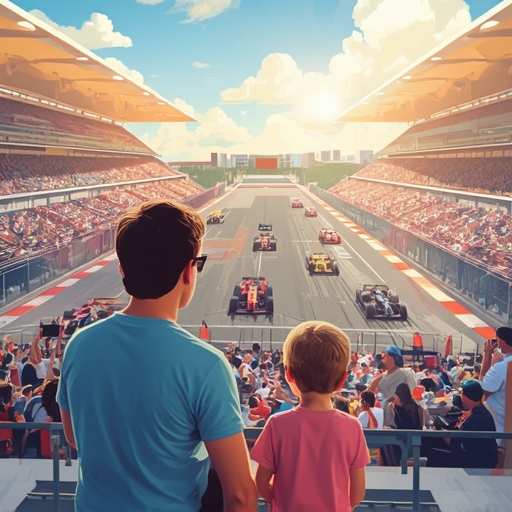
Attending the Miami Grand Prix with my eight-year-old child turned out to be an experience that blended exhilaration, exhaustion, and unforgettable memories. From the moment we stepped into the bustling venue, the intensity of the event enveloped us—the thunder of engines reverberated through the air, the dazzling colors of the cars blurred into streaks of speed, and the collective anticipation from thousands of fans created an energy that felt almost electric. Yet, amidst all the sensory overload, it quickly became clear that bringing a young child to a Formula One race was as much about careful planning and adaptability as it was about sharing a love for motorsport.
The Miami Grand Prix is not merely a race; it is a full-scale sensory spectacle. The sight of finely tuned machines screaming down the straightaways at nearly two hundred miles per hour fascinated both adults and children alike. My child’s face lit up with awe each time the cars roared past—it was equal parts shock, curiosity, and pure delight. However, what isn’t always captured in highlight reels is the sheer heat and endurance it demands of spectators. Florida’s sun, unrelenting and humid, turned the day into a battle between staying hydrated and keeping enthusiasm alive. We found shaded areas and cooling tents essential, though even there it was easy to underestimate how draining a day-long outdoor event could be for a young child.
In preparing for the weekend, I had packed sunscreen, hats, and plenty of water, but the practical challenges extended far beyond that. Navigating the venue required patience—crowded walkways, long lines for refreshments, and the need to find seats that balanced a good view with accessible rest spots presented constant tradeoffs. Despite the minor discomforts, seeing my child’s excitement validated every effort. Watching the race through a child’s eyes transformed the event from a competitive sport into a vivid lesson in engineering, teamwork, and resilience. Each pit stop became a small marvel of coordination; each overtaking maneuver sparked eager questions about drivers’ strategies and the physics of speed.
Still, if I were to repeat the experience, I would make several adjustments. Arriving earlier to acclimate, booking shaded grandstand seats, and scheduling intentional breaks would make the day smoother. I would also plan a visit to one of the interactive exhibits or kid-focused areas to keep engagement levels high during slower periods of the race. Perhaps most importantly, I learned that success in attending an event like this with a child depends on pacing—knowing when to embrace the action and when to step away from the crowd for quiet moments of rest.
Ultimately, the Miami Grand Prix became more than a motorsport outing; it was a family adventure defined by shared wonder and life lessons. My child left with stories to tell—about lightning-fast cars, the improbable skill of pit crews, and even the heroic quest to find a cold drink under the relentless sun. For me, it was a vivid reminder that extraordinary experiences often come wrapped in both joy and discomfort. Would I do it again? Absolutely. But next time, I’ll come with better shade, extra water, and the wisdom that speed and patience can coexist harmoniously on a family weekend at the track. #F1 #MiamiGP #Parenting #TravelExperiences
Sourse: https://www.businessinsider.com/miami-grand-prix-f1-with-kids-tips-what-to-know-2026-5


