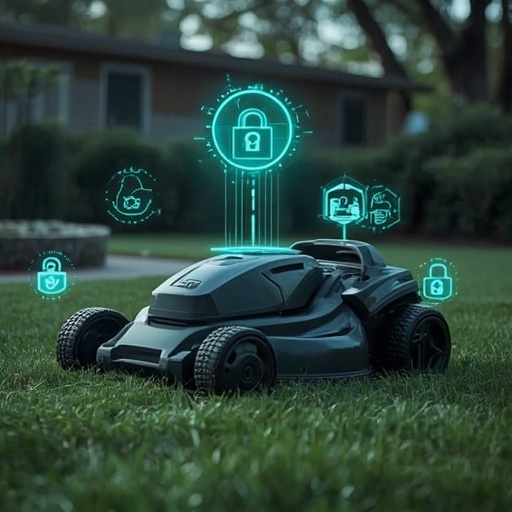
Yarbo has released a public statement pledging a comprehensive overhaul of its security protocols after a disturbing incident in which a hacker allegedly gained control of one of its robotic lawn mowers, transforming a mundane household device into something capable of actual physical harm. The company has acknowledged the severity of the event, describing it as both a wake-up call and a turning point for how Internet-of-Things (IoT) manufacturers must approach customer safety, data integrity, and product design.
According to reports, this breach was not just an isolated case of faulty software—it exemplified the broader vulnerabilities plaguing connected consumer technology. As more products, from household appliances to fully autonomous machines, rely on network connectivity, the potential consequences of security neglect extend well beyond privacy concerns; they now reach into the realm of personal safety. A compromised autonomous mower, for example, demonstrates how the blending of mechanical power and digital control can become a serious hazard if cybersecurity fails.
In response, Yarbo has vowed to implement multi-layered authentication measures, more rigorous firmware encryption, and continuous monitoring of its cloud-based services to prevent future unauthorized access. Company representatives also stated their commitment to engaging independent security researchers to conduct external audits of their systems—an approach intended to reinforce transparency and restore consumer trust. While the company’s assurances are promising, experts warn that repairing public confidence in connected devices goes far beyond patching code. It requires a fundamental cultural shift in how manufacturers conceive, test, and maintain secure technology from day one.
This episode underscores a truth that the entire IoT industry must confront: innovation cannot proceed faster than protection. As devices increasingly inhabit intimate spaces—our homes, gardens, workplaces, and even bodies—robust cybersecurity standards are no longer optional; they are as essential as the physical safety mechanisms built into traditional appliances. Yarbo’s situation may serve as a crucial case study in how the tech world responds when innovation collides with inadequate digital defense. Whether the company’s forthcoming updates will be sufficient remains to be seen, but one thing is clear: consumers and regulators alike are now demanding far more than promises—they expect proof of safety in a deeply connected world.
Sourse: https://www.theverge.com/tech/926989/yarbo-robot-lawn-mower-hack-company-update-security-promise


