KPMG, one of the world’s leading professional services firms, is taking a decisive and forward‑looking step toward the integration of artificial intelligence into its training ecosystem. As automation and machine‑learning applications increasingly assume responsibility for the mechanical, repetitive, and data‑heavy aspects of tax preparation, the firm has recognized a new imperative: to ensure that its workforce evolves in tandem with technology. Instead of allowing AI to merely replace routine human tasks, KPMG is using it as a catalyst for elevating human capabilities.
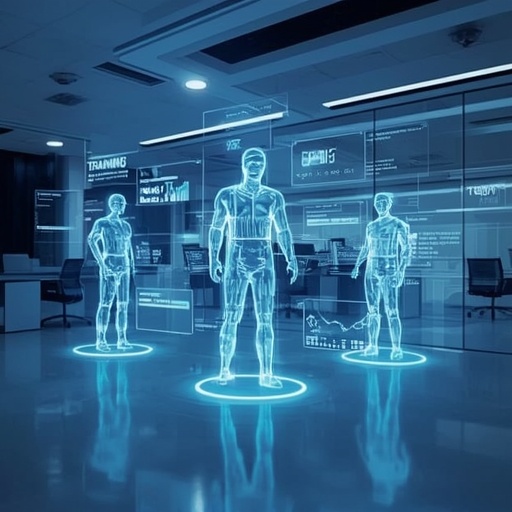
To achieve this, the company is experimenting with an advanced simulation tool designed expressly for professional development. This platform functions as an interactive, AI‑driven environment where employees can hone their analytical judgment, strategic thinking, and problem‑solving skills in realistic scenarios. By immersing staff in complex, simulated cases that mirror the kinds of intricate client challenges they will encounter, KPMG seeks to transform conventional training into a dynamic process of experiential learning.
The logic behind this initiative is both pragmatic and visionary. As automated systems streamline compliance, number‑crunching, and document processing, human professionals are freed to focus on interpretation, advisory insight, and the nuanced decision‑making that clients increasingly value. Consequently, KPMG’s investment in AI‑based education represents more than an upgrade to its training tools—it is an investment in reimagining the role of the modern tax expert.
Moreover, this shift signals a fundamental change in how knowledge is cultivated within professional environments. Rather than passively absorbing information through traditional instruction, employees engage actively with adaptive technology that responds to their actions and learning progress. For example, the system can present a trainee with a simulated client query about complex international regulations, analyze the response in real time, and offer constructive feedback on both accuracy and communication style. Over time, this continuous feedback loop deepens employees’ understanding and confidence in handling sophisticated tax matters.
In doing so, KPMG is not only preparing its professionals for the immediate future but also building resilience for the decades ahead—a future in which technological fluency, critical reasoning, and ethical discernment will define the most valuable contributors in the financial and advisory sectors. It is a striking demonstration of how artificial intelligence, properly implemented, can complement rather than supplant human judgment. By aligning human expertise with digital precision, KPMG exemplifies how the next generation of accountants and consultants can thrive in a world where intelligence—both human and artificial—works in harmony.
Sourse: https://www.businessinsider.com/kpmg-training-tax-workers-through-simulation-tool-2026-5