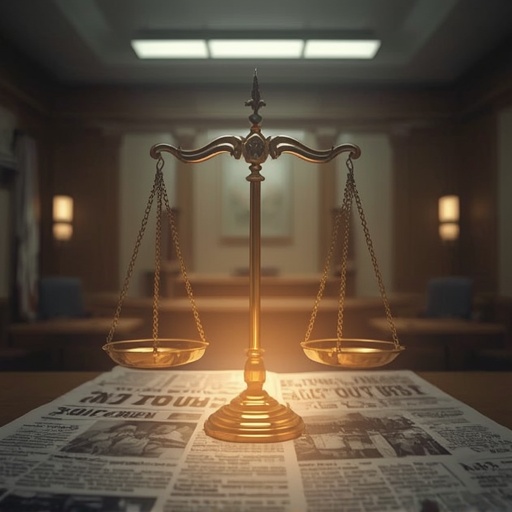
The recent judicial decision emerging from a New York courtroom has ignited an extensive and multifaceted discussion about the delicate intersection between transparency, journalistic integrity, and the ownership of narratives within the justice system. At its core, this ruling—centered around the tragic death of a corporate leader and the subsequent withholding of crucial evidence from the jury—forces society to reconsider fundamental questions about who truly constructs, defines, and maintains the version of truth that becomes public.
In every high-profile case where legal proceedings and media coverage intertwine, the boundaries between fairness, privacy, and accountability blur. When evidence is intentionally restricted in court, the law seeks to protect due process or personal dignity; however, this act simultaneously invites scrutiny from journalists and a public eager for transparency. The tension lies in the paradox that while justice depends on impartiality and confidentiality, journalism thrives on disclosure and context. Both institutions—courts and the press—serve the public, yet their methods and obligations often exist at opposite poles.
This recent development invites a more nuanced contemplation of ownership over stories that shape collective perception. Is it the judiciary, with its constitutionally enshrined authority to interpret truth under the rule of law, that determines what the public should know? Or is it the media, bound by ethical codes yet driven by the responsibility to inform, that carries the moral duty to reveal hidden details? Perhaps, more provocatively, it is the audience—the citizens consuming information—who ultimately decide which account becomes reality through discourse, belief, and memory.
Consider how similar dilemmas have unfolded historically in other landmark trials, where journalistic coverage has influenced popular sentiment long before verdicts were reached. In such instances, the line separating information from sensationalism becomes perilously thin. Ethical reporting demands journalists resist the allure of drama to ensure accuracy and compassion for those affected, while legal practitioners must navigate the public’s demand for openness without compromising justice.
Beyond the factual layers of this individual case lies a profound philosophical inquiry into how truth is curated in modern society. Transparency, though essential, cannot exist without boundaries; privacy, though sacred, cannot always withstand the public necessity for accountability. When these principles collide within courtroom walls, the outcome shapes not just one narrative but the collective trust in institutions meant to safeguard democracy.
Ultimately, this case becomes more than a legal milestone—it becomes a reflection of our shared struggle to reconcile ethical storytelling with legal truth. It reminds us that ownership of a story is not a static possession but a dynamic exchange between those who tell it, those who judge it, and those who choose to believe it. In bridging these realms—law, media, and public conscience—we move closer to understanding that justice, like journalism, remains unfinished without transparency tempered by integrity.
Sourse: https://www.theverge.com/news/935598/luigi-mangione-new-york-case-press-credentials-supporters