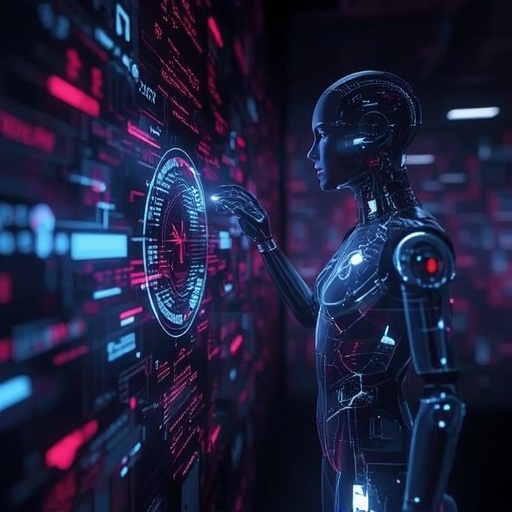
In an era characterized by rapid technological evolution, few developments illustrate the shifting contours of the digital labor market as vividly as the emergence of intimate or emotionally driven AI roles. Joi AI, a pioneering company within the rising field of AI companionship, recently unveiled an unprecedented job offer that has captured global attention: a one‑month consulting opportunity paying $2,000 and inviting participants to engage with sensitive, adult‑oriented aspects of artificial intelligence interaction. Remarkably, this announcement attracted more than 100,000 applicants almost overnight—a testament to both the cultural curiosity and the professional intrigue now surrounding this new category of technologically mediated work.
This surge of enthusiasm underscores a profound transformation taking place at the intersection of human psychology, emotional design, and computational intelligence. Historically, professional roles involving AI were confined to strictly technical domains such as programming, data analysis, and machine learning research. Today, however, companies like Joi AI are expanding the scope of what human–machine collaboration can mean by asking consultants not only to refine algorithms but also to contribute insights into empathy, relational modeling, and the nuanced dynamics of digital intimacy.
Such developments provoke a series of compelling ethical and societal questions. What boundaries should exist between authentic human emotion and its synthetic simulation? How can professionals safeguard personal well‑being while working in spaces that merge affective labor and artificial cognition? Furthermore, as these roles become more common, will emotional intelligence become as valuable a professional skill as technical expertise? These are not speculative philosophical musings; they are practical considerations shaping the future of work in an increasingly AI‑integrated world.
Beyond controversy, the case of Joi AI illuminates a broader paradigm shift in which technology is no longer perceived solely as a tool for efficiency but also as a mirror reflecting human need, vulnerability, and desire for connection. The massive global response to this opportunity suggests that the public imagination is captivated by the possibilities of designing systems that understand and reciprocate emotion, even within NSFW or taboo contexts. As the boundaries of human–computer interaction continue to dissolve, professionals across disciplines—from engineers to ethicists and behavioral scientists—will be required to engage deeply with the moral, psychological, and cultural implications of building intimacy into code.
Ultimately, this phenomenon heralds a future of work defined not just by automation, but by its integration of empathy and human experience into digital frameworks. The Joi AI story, provocative as it may be, signals the dawn of an age in which emotional labor, technology, and ethical reflection converge—charting a path toward professions that blend intimacy, psychology, and artificial intelligence in ways that redefine what it means to work, to connect, and perhaps even to feel in the twenty‑first century.
Sourse: https://www.businessinsider.com/joi-ai-hiring-nsfw-job-study-2026-5