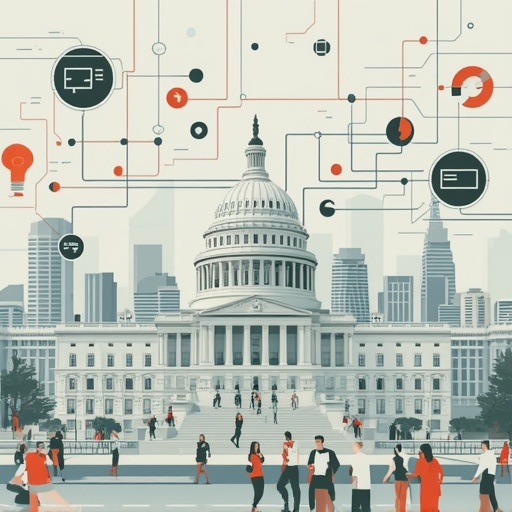
In an ambitious and potentially transformative policy consideration, high-ranking officials within the United States government are reportedly evaluating the possibility of acquiring direct financial stakes in the rapidly expanding artificial intelligence sector. This initiative appears to have emerged from substantive dialogues and strategic consultations with leading figures from prominent AI enterprises, whose insights are shaping the contours of this evolving governmental approach. By moving toward active participation in the ownership and financial frameworks of AI-driven companies, policymakers are signaling a significant shift from traditional regulatory oversight toward a model of partnership and co-investment. Such a development could redefine the balance of influence between the public sector and private innovation, opening the door to a reimagined form of technological governance where state interests align more directly with the mechanisms of technological advancement.
The implications of this potential policy are profound. On one hand, the government’s participation in AI enterprises could provide long-term stability and ensure that national priorities—such as ethical deployment, transparency, equitable access, and protection of public welfare—remain embedded in the foundational principles of future innovations. This approach might also offer a pragmatic counterbalance to the rapid commercialization of AI technologies, ensuring that progress serves societal needs rather than purely market-driven motives. On the other hand, this initiative raises intricate questions about conflicts of interest, the potential politicization of innovation, and the preservation of a fair competitive environment within one of the most strategically critical and fast-moving sectors of the global economy.
Overall, the consideration of government equity stakes in AI symbolizes a profound turning point in the relationship between technology creators and public institutions. If pursued, it could usher in a new era defined by collaborative governance—where financial engagement, strategic regulation, and ethical stewardship coexist as complementary instruments of national innovation policy. As global competition intensifies and artificial intelligence continues to influence nearly every facet of economic and social life, the U.S. government’s engagement in this sector could reshape not only the domestic technological landscape but also the international norms that guide the future of digital progress.
Sourse: https://www.wsj.com/tech/ai/u-s-officials-discuss-taking-financial-stakes-in-ai-industry-b654d41a?mod=rss_Technology