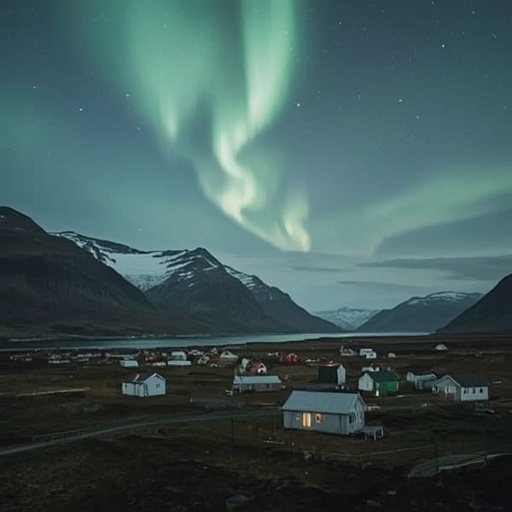
For nineteen consecutive years, Iceland has rightfully retained its position as the most peaceful nation on Earth, a distinction that speaks volumes about the country’s remarkable social structure, governance, and national ethos. This enduring tranquility is neither coincidental nor fleeting; rather, it is deeply rooted in centuries of cultivated trust among citizens, robust institutions, and a collective commitment to equality and justice. On a small island where community bonds are strong and transparency in leadership prevails, social cohesion has become the bedrock upon which peace thrives.
At the heart of Iceland’s success lies a shared belief that stability can only exist where fairness and mutual respect are upheld. The nation’s exceptionally low crime rates, coupled with its equitable access to education and healthcare, foster both safety and well-being. Icelandic society values dialogue and cooperation over confrontation, allowing disagreements to be addressed through consensus-driven processes rather than conflict. Moreover, the country’s dedication to gender equality — exemplified by strong representation of women in politics and leadership — reinforces social balance and inclusivity.
Equally significant is Iceland’s profound relationship with nature. From the geothermal landscapes that power its homes to the pristine fjords that shape its identity, the environment is not merely a backdrop but a defining force in Icelandic life. Environmental stewardship is interwoven with social ethics, reminding citizens that sustainability is synonymous with peace. By harmonizing technological innovation with ecological mindfulness, Iceland has crafted a model that integrates progress without sacrificing natural integrity.
The Global Peace Index continues to recognize these achievements, underscoring that true peace extends beyond the absence of warfare. It encompasses social harmony, institutional reliability, and the protection of human dignity. Iceland’s example demonstrates that a peaceful society is not achieved through isolation or luck, but through deliberate choices that prioritize empathy, trust, and equality.
As the rest of the world grapples with political polarization, environmental stress, and societal fragmentation, Iceland’s enduring calm offers a powerful lesson. It suggests that lasting peace originates within communities that value both cooperation and care — where governance is transparent, justice is impartial, and environmental consciousness guides every decision. In an era often defined by uncertainty, Iceland stands as a living testament to how harmony between people and planet can be sustained across generations, proving that the pursuit of peace is not only possible, but profoundly rewarding.
Sourse: https://www.businessinsider.com/why-iceland-is-consistently-named-the-worlds-most-peaceful-nation-2026-7