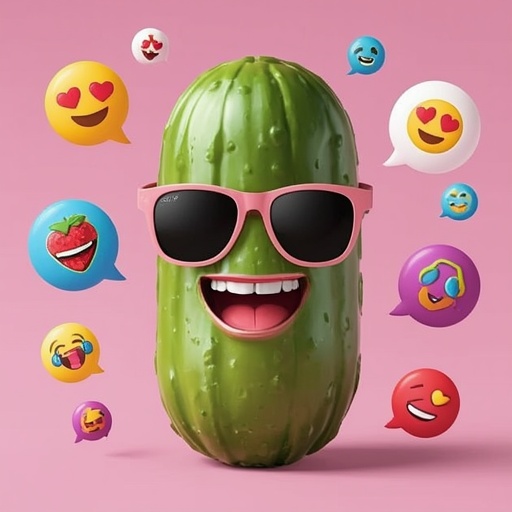
In the ever-evolving ecosystem of digital communication, few updates generate as much curiosity and amusement as the introduction of a new emoji. The latest entrant, the pickle emoji 🥒, has immediately captured the collective imagination of internet users worldwide. With its playful symbolism and unmistakable crunch-factor charm, it is rapidly being celebrated as the next big icon in online expression — perhaps even poised to dethrone the long-reigning eggplant emoji 🍆 as the reigning champion of suggestive or humorous digital exchange.
The rise of the pickle emoji reflects more than just a lighthearted update to our keyboards. It mirrors the endless adaptability of language in the digital age, where humor, tone, and subtext are conveyed through the smallest visual cues. From casual texts to meme culture, each emoji holds an emotional resonance that words sometimes fail to capture. The pickle, in particular, brings with it layers of metaphorical depth — sharp, tangy, and full of personality. It represents wit, irony, and a certain playful irreverence that contemporary online conversations thrive on.
Beyond the amusement, though, the pickle symbolizes a transition toward more diverse emotional and cultural representation in digital design. As new emojis are added each year, they extend the boundaries of how we express individuality and nuance online. Designers and cultural analysts have often noted that even seemingly trivial additions — such as a food item or an emotion — contribute to shaping communication trends. The pickle’s arrival, then, marks more than a novelty; it captures the spirit of modern expression in miniature form, bridging linguistic gaps with humor and texture.
Social platforms have responded swiftly. On Twitter, users are already deploying the pickle emoji in humorous takes, flirty exchanges, and moments of self-deprecating humor — proving that this icon has found its place in the lexicon almost overnight. LinkedIn users, meanwhile, have embraced it as a symbol of creative adaptation, reflecting on how new emojis subtly reframe our professional and personal tone. Instagram and Facebook have witnessed an influx of pickle-themed posts celebrating the emoji’s quirky debut, underscoring just how deeply symbols can shape collective mood and aesthetic trends.
Ultimately, this deceptively simple addition to the emoji universe begs a larger question: how do these compact symbols continue to redefine human interaction? Each wave of new emojis reflects not just technological progress but an ongoing cultural story — one that reveals what we collectively value, mock, and celebrate. The pickle emoji may be humorous on the surface, yet it embodies our unceasing desire to connect meaningfully through creativity and play.
As we step into a future where digital nuance grows more sophisticated, emojis remain a bridge between emotion and technology, offering universal shorthand for feelings too complex or too fleeting for words. And now, with a green, glossy pickle taking its place among them, our conversations have gained one more flavorful way to say exactly what words cannot.
Sourse: https://www.cnet.com/tech/services-and-software/new-approved-emoji-pickle-cracked-face/